Swiss watch exports in early 2026: what the numbers actually tell buyers
Swiss exports bounced back 9.2% in February after a weak January. Here's what the FH data means for pre-owned prices and your next purchase.
The Federation of the Swiss Watch Industry (FH) just released its February 2026 numbers, and they paint a messy picture. Exports bounced back to CHF 2.17 billion after a sluggish January, up 9.2% year-on-year. Good news on the surface. But dig into the details and you'll find a market pulling in opposite directions.
Here's what the data actually means if you're shopping for a watch right now.
The headline numbers
| Metric | February 2026 | YoY Change |
|---|---|---|
| Total exports | CHF 2.17 billion | +9.2% |
| Wristwatches (value) | CHF 2.07 billion | +10.0% |
| Wristwatches (units) | 1.27 million | +14.0% |
| Other products | CHF 93.3 million | -6.2% |
The FH notes that part of this growth comes from a "positive base effect" — February 2025 was weak, which makes this month look better by comparison. Still, 9.2% is real growth. The question is where it's coming from.
Materials tell the real story
Precious metal watches (+12.4%) and bimetallic models (+38.4%) drove the February rebound. Steel watches, the bread and butter of the industry, actually fell 4.6% in value despite rising 11.3% in units shipped.
Translation: brands are shipping more steel watches at lower prices while the high end keeps climbing. This is the bifurcation that's been building since late 2024. If you're buying pre-owned, this matters. Entry-level steel sports watches are losing pricing power in the new market, which puts downward pressure on secondary prices too.
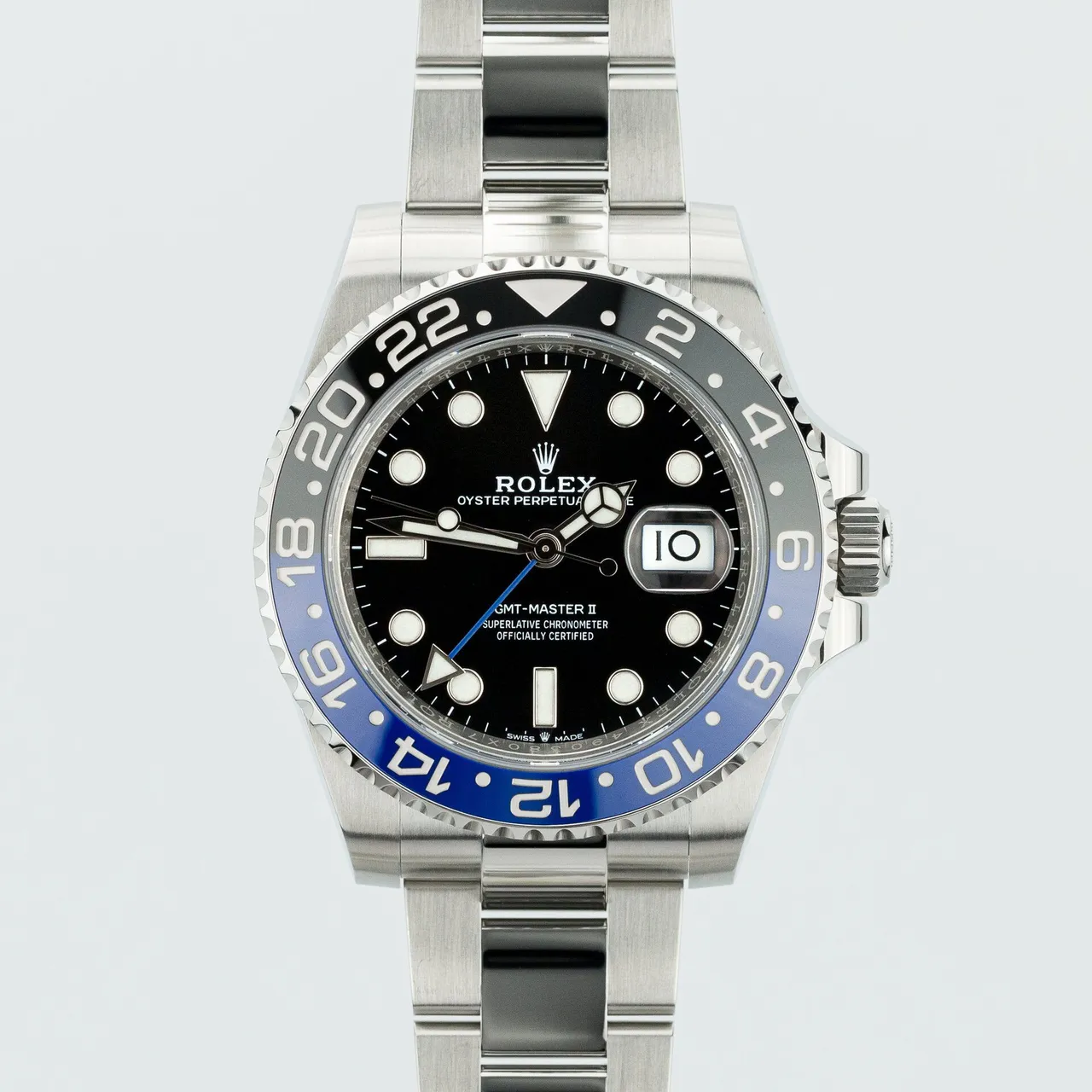
Precious metals are a different game. Gold and bi-color pieces are holding or gaining value. The Rolex Sky-Dweller in yellow gold, for instance, sits comfortably in a price bracket that keeps appreciating while its steel counterparts struggle.
Where the money is going
The market-by-market data for January-February 2026 combined reads like a geopolitical map:
| Market | Jan-Feb 2026 (CHF M) | vs 2025 | vs 2024 |
|---|---|---|---|
| USA | 757.4 | +5.3% | +9.7% |
| Japan | 299.1 | +6.5% | +7.4% |
| Hong Kong | 291.2 | -1.5% | -12.5% |
| France | 275.9 | +47.4% | +39.8% |
| China | 273.9 | -3.2% | -29.4% |
| UK | 248.0 | +2.4% | +2.8% |
| Germany | 180.1 | -9.5% | -8.3% |
Three things jump out.
The US remains king. CHF 757 million in two months, up 5.3% over 2025 and nearly 10% over 2024. American buyers are absorbing more Swiss watches than anyone, and the looming Section 301 tariff investigation hasn't slowed them down yet. Whether that holds depends on how the USTR moves in Q2.
China is still declining. Down 3.2% year-on-year and a brutal 29.4% below 2024 levels. The Chinese luxury market hasn't recovered, and February's -11% monthly performance after January's brief uptick suggests the recovery narrative is premature. For pre-owned buyers, this is actually good news — less competition from Chinese dealers means more availability in European markets.
France is... anomalous. A 47.4% spike doesn't reflect actual French consumer demand. The FH says this "is not explained by an increase in the domestic market and probably reflects transit via France to other destinations." In plain terms: distributors are routing watches through France. This doesn't affect your buying decision but it does inflate France's numbers artificially.
The price segment split
All price brackets grew in February, but the pattern matters:
| Segment (export price) | Unit change | Value change |
|---|---|---|
| Under CHF 200 | +0.7% | +4.2% |
| CHF 200-500 | +8.4% | +8.9% |
| CHF 500-3,000 | +18.8% | +17.4% |
| Over CHF 3,000 | +18.7% | +14.0% |
The mid-range (CHF 500-3,000 export price, which translates to roughly €3,000-15,000 retail) is growing fastest in units. But the over-3,000 segment — the Rolexes, Omegas, and APs of the world — is growing almost as fast in volume while lagging in value.
This confirms what we're seeing in our own pre-owned inventory: the gap between retail and secondary prices on high-end steel pieces is narrowing, while precious metal and complicated watches maintain their premiums. A steel Rolex Submariner Date 126610LN trades closer to retail than it did 18 months ago. A gold Rolex Day-Date 40 holds its ground.
Germany's decline matters for European buyers
Germany fell 9.5% in Jan-Feb 2026 versus 2025, and 8.3% versus 2024. That's the largest European economy contracting its watch imports. For buyers in the EU, this is worth watching. German authorized dealers may have excess inventory heading into Q2, which means more availability and potentially better deals on current-production pieces. If ADs start discounting, pre-owned prices on the same references will adjust downward too.
Contrast this with the UK (+2.4%), which continues to absorb watches steadily. Post-Brexit currency dynamics make UK-purchased watches potentially attractive for EU buyers when the pound dips.
What this means for pre-owned buyers right now
Here's our read heading into Q2 2026:
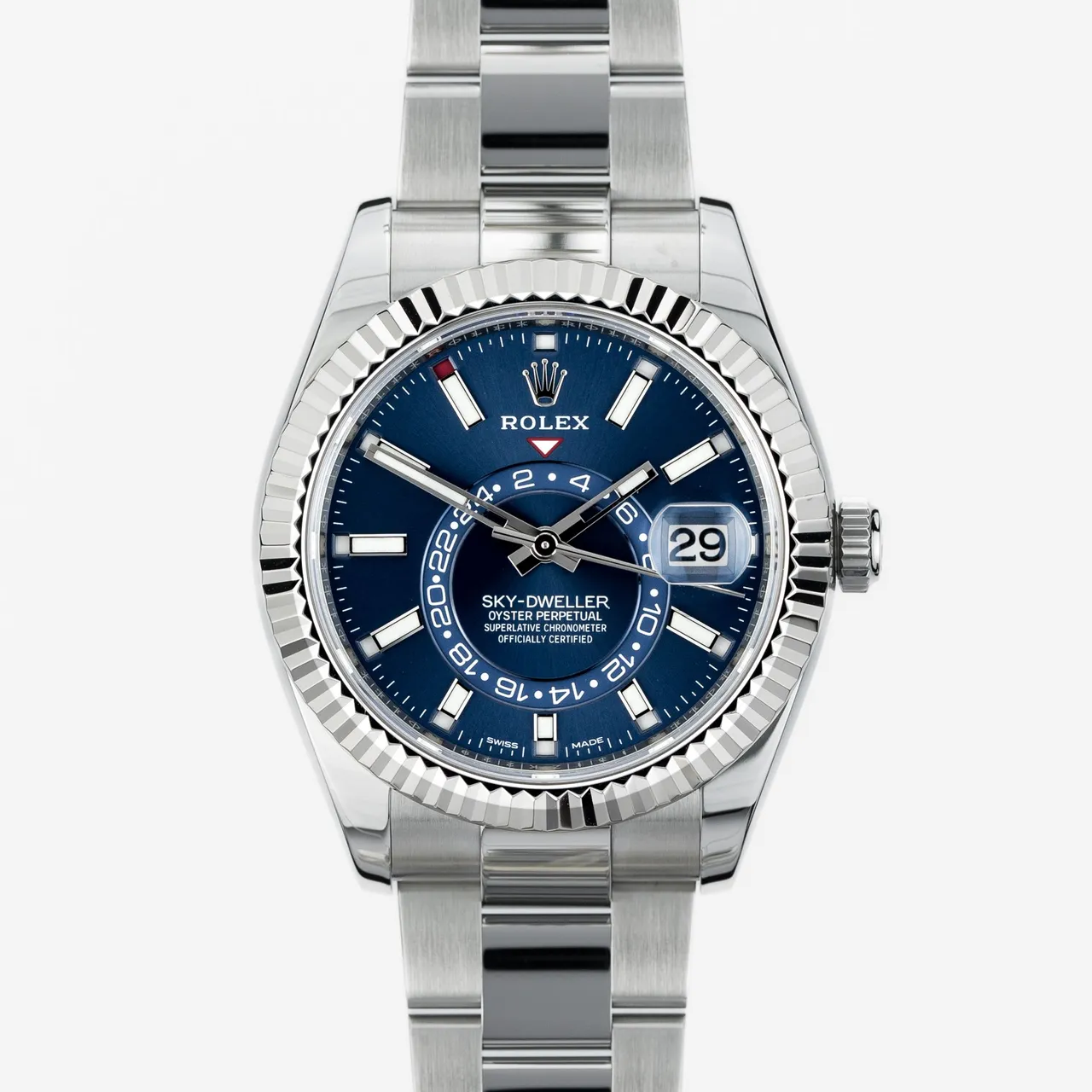
Steel sport watches from Rolex, AP, and Patek are softening. More units shipped at lower average values signals that brands are pushing volume. This is bad for anyone who bought at peak and wants to sell, but good if you're buying. The Rolex GMT-Master II "Batman" and Submariner are more accessible on the secondary market than they've been in two years.
Precious metals are the safer bet. Gold and bi-color watches growing in both units and value means real demand, not just price increases. If you're buying to hold, precious metals have more downside protection.
Wait for post-W&W clarity. Watches & Wonders 2026 starts April 14. New releases will reset expectations on current-production models. Historically, pre-owned prices on the exact reference of a new release dip temporarily as buyers redirect attention to the shiny new thing. That dip is your window. We covered this in our W&W pre-owned impact analysis.
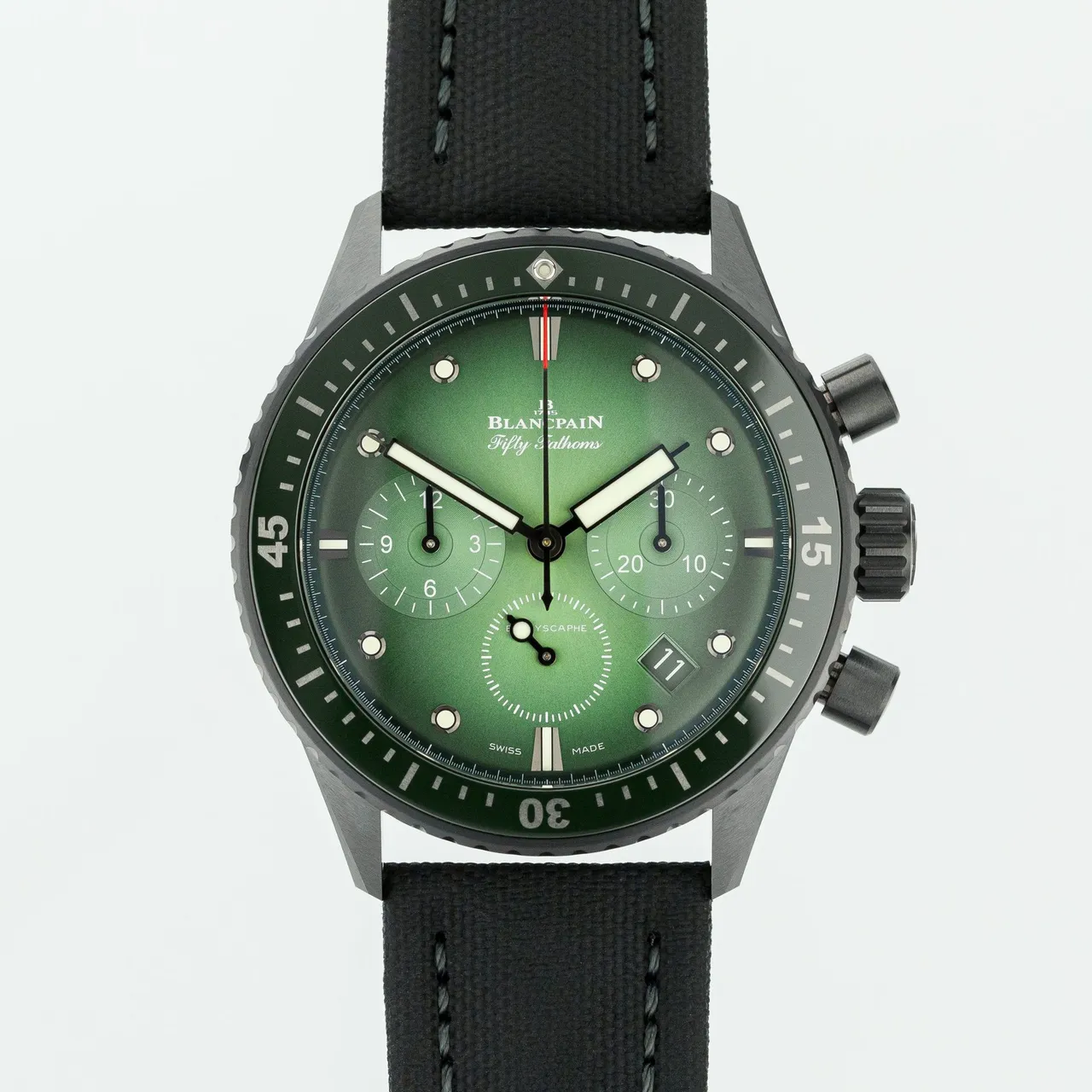
Independent brands are underpriced. While the market obsesses over Rolex and AP, brands like Blancpain, IWC, and Grand Seiko are making exceptional watches that trade well below their intrinsic value on the secondary market. A Blancpain Fifty Fathoms Bathyscaphe or IWC Pilot's Chronograph Top Gun offers serious horological credibility at a fraction of what comparable Rolex references command.
The tariff wildcard
All of this analysis assumes the current trade regime holds. If the Section 301 investigation results in significant tariffs on Swiss watches entering the US, the entire pricing landscape shifts. American demand — which currently accounts for 19.9% of Swiss exports — could cool rapidly, flooding European and Asian markets with redirected inventory.
We're not making predictions on trade policy. But if you're a European buyer, the tariff scenario actually works in your favor. More watches available outside the US means better selection and potentially lower prices on this side of the Atlantic.
Bottom line
The Swiss watch industry in early 2026 is growing again, but unevenly. Precious metals outperform steel. The US and Japan carry the market while China struggles. The mid-range is booming in volume. And underneath all of it, the approaching combination of Watches & Wonders announcements and tariff uncertainty creates a window where informed buyers can find real value.
If you're looking for specific references, browse our current inventory or reach out directly. We track these market movements daily because they directly affect what we buy, what we price, and what we recommend.
Are Swiss watch prices going up in 2026?
It depends on the segment. Precious metal watches are trending up, with gold pieces rising 12.4% in export value during February 2026. Steel sport watches are actually declining in per-unit value despite higher volumes. Retail prices from brands generally only go up, but pre-owned prices on steel references are softening. The most likely scenario: a widening gap between gold/platinum models (appreciating) and steel (flat or slightly down).
Is now a good time to buy a pre-owned luxury watch?
For steel sport watches, yes. The combination of increased supply (14% more units exported in February) and softening per-unit values means pre-owned prices on popular Rolex, Omega, and Tudor references are more reasonable than they've been since 2021. Gold and complicated watches haven't softened, so those are more about finding the right piece than timing the market.
How do US tariffs affect watch prices in Europe?
If Section 301 tariffs on Swiss watches materialize, they would primarily affect US import costs, not European prices directly. However, reduced US demand could redirect supply to European markets, potentially creating better availability and slight price softening for EU buyers. It's a net positive for European buyers but a negative for sellers who currently enjoy strong US demand.
Which watch brands are growing fastest in 2026?
The FH data is industry-wide and doesn't break out individual brands. However, the strong performance in precious metals and bimetallic watches suggests brands with heavy gold/bi-color lineups (Rolex Day-Date, Patek Nautilus Rose Gold, AP Royal Oak in precious metals) are driving growth. The 38.4% jump in bimetallic exports is particularly striking and likely benefits Rolex's Rolesor and Tudor's S&G lines.