Section 301: two investigations that could reshape Swiss watch prices
Two Section 301 probes now target Switzerland. Here's how they could affect what you pay for a Swiss watch — and why pre-owned might be the smartest move.
Written by Pavel Vlachkov with AI assistance.
The ink hadn't dried on the SCOTUS ruling that struck down reciprocal tariffs when the next wave arrived. On March 11, the US Trade Representative launched a Section 301 investigation into 16 economies — Switzerland among them. Two days later, a second probe followed, this time targeting 60 economies over forced labor practices.
Switzerland is now caught in both.
For anyone buying, selling, or collecting Swiss watches, this matters more than the IEEPA tariffs ever did. Section 301 tariffs don't expire after 150 days. The ones slapped on China in 2018? Still in effect. Eight years and counting.
What happened, exactly
The first investigation (docket USTR-2026-0067) targets "structural excess capacity and production in manufacturing sectors." USTR Jamieson Greer specifically cited Switzerland's trade surplus with the US as evidence.
Here's the part that should get watch people's attention: the investigation doesn't name specific sectors per country. It covers all manufacturing broadly. Switzerland's largest manufacturing export to the US? Watches. About $2.8 billion worth per year. When the USTR talks about Swiss "excess capacity," watches are the elephant in the room.

The second probe (March 13) goes after forced labor in supply chains across 60 economies. It's a broader net with a different legal angle, but the result is the same: Switzerland now faces two separate legal paths to US tariffs.
The timeline you need to know
| Date | Event |
|---|---|
| Feb 20 | SCOTUS strikes down IEEPA reciprocal tariffs (6-3) |
| Feb 21 | Trump imposes 10% global tariff (Section 122) |
| Mar 4 | Section 122 raised to 15% (statutory max) |
| Mar 11 | Section 301 probe #1 launched: 16 economies, excess capacity |
| Mar 13 | Section 301 probe #2 launched: 60 economies, forced labor |
| Mar 17 | Public comments open (probe #1) |
| Apr 15 | Public comments close (probe #1) |
| Apr 28–May 1 | Hearings for probe #2 |
| May 5 | Hearings for probe #1 |
| ~Jul 24 | Section 122 tariffs expire |
The administration wants this wrapped up by July. That's fast — typical 301 investigations take 6 to 18 months. Whether they can actually stick to that pace remains to be seen.
Why 301 is different from everything before
We covered the SCOTUS tariff ruling and its aftermath in detail. The current 15% Section 122 tariff has a hard expiration date around July 24. It was always a stopgap.
Section 301 is the permanent replacement the administration has been building toward. If the investigation finds against Switzerland — and the USTR's own language strongly suggests they're building that case — tariffs could land anywhere from 7.5% to 25% based on the China precedent. Possibly higher.
The original IEEPA reciprocal tariff on Switzerland was 31%. There's no legal ceiling preventing something similar under 301.
The Swiss counter-argument nobody's talking about
Swiss government data from January 2026 tells an interesting story. When you include services alongside goods, Switzerland ran a CHF 1.4 billion trade deficit with the US that month. Imports from the US rose roughly 50% to CHF 4.7 billion, while exports sat at CHF 3.3 billion.
The problem? USTR only counts goods trade. And on goods alone, Switzerland does run a surplus — driven largely by watches and pharmaceuticals. Whether this distinction will matter in hearings is anyone's guess, but it gives Swiss negotiators something to work with.
What the analysts think
Goldman Sachs and Lombard Odier both frame Section 301 as leverage for trade negotiations rather than a guaranteed tariff outcome. That reading has some history behind it — of the six Section 301 investigations in Trump's first term, only two (China and EU) resulted in actual tariffs.
But the two that did? They stuck. China's 301 tariffs survived a full presidential transition and are still collecting revenue today. "Just leverage" and "permanent tariffs" aren't mutually exclusive.
The pre-owned angle
Here's where it gets practical. Tariffs — whether 15%, 25%, or 31% — apply at the border when goods enter the US. Pre-owned watches already sitting in the country don't get hit.
Rolex has raised US retail prices 14.6% over the past 12 months and hasn't reversed those increases despite the tariff reductions that followed SCOTUS. The gap between authorized dealer pricing and the secondary market keeps widening. WatchPro data shows AD prices running 30%+ above secondary market values on many references.
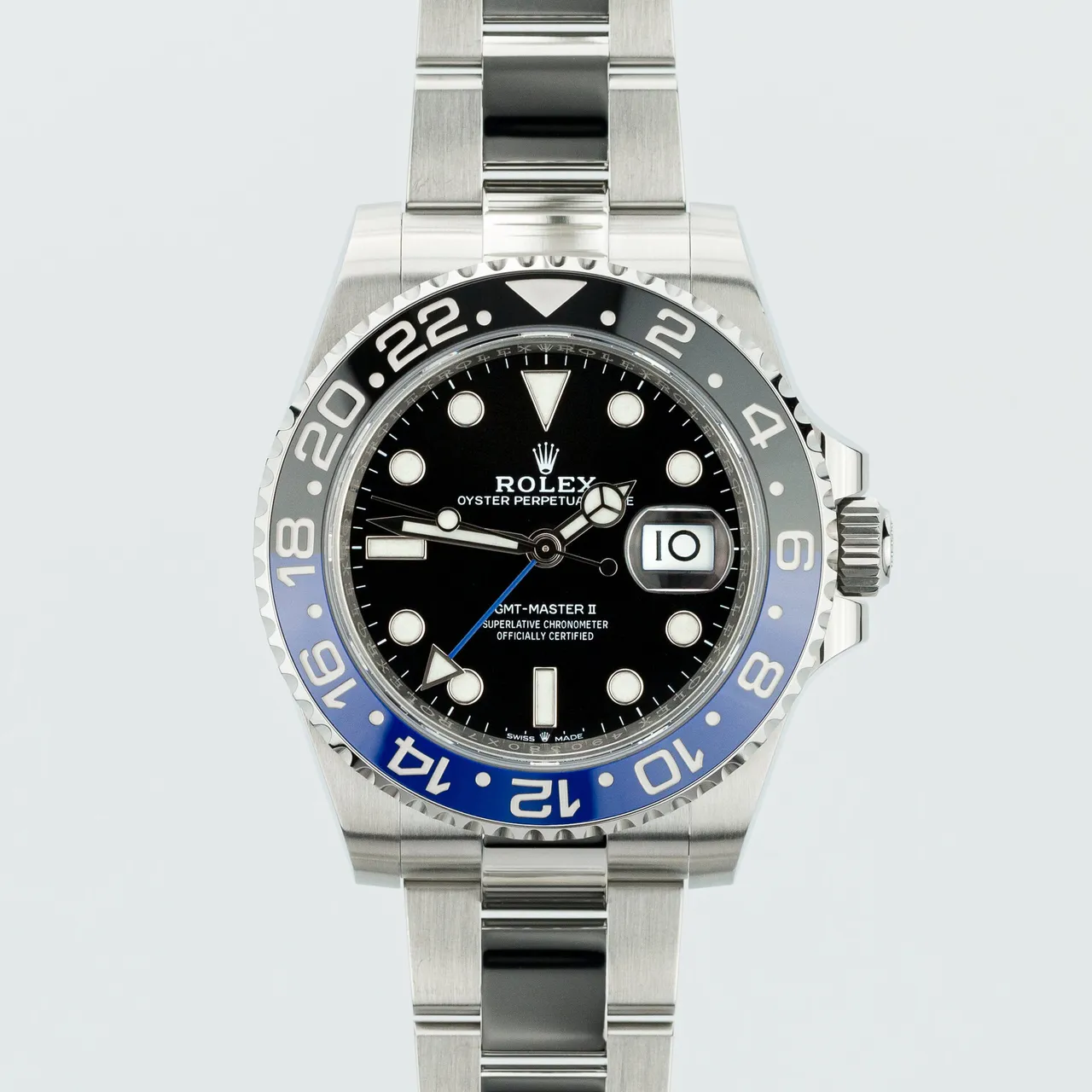
Every tariff escalation makes that gap wider. A Rolex GMT-Master II Batman from a pre-owned dealer like us costs less than what you'd pay at an AD — and that's before any new tariffs land on future shipments.
The pre-owned market hit $20 billion last year with 30%+ growth (EveryWatch data). That trend accelerated during the IEEPA tariff chaos, and Section 301 could pour fuel on it.
What to do right now
If you're in the market for a Swiss watch, here's the honest assessment:
Short term (next 3 months): The 15% Section 122 tariff is baked in. No change expected before July. Prices on new imports reflect this already.
Medium term (July–September): This is the uncertainty window. If Section 122 expires and 301 tariffs aren't ready, there could be a brief dip. If 301 tariffs land simultaneously, prices jump.
The safe play: Pre-owned Swiss watches already in market dodge all of this. No tariff exposure, typically 15-40% below current AD pricing, and you're buying something that's already proven its value.
We carry a full selection of Swiss watches from Rolex, Omega, and other manufacturers — all already in Europe, all outside the tariff crossfire. Browse our current inventory or reach out if you're looking for something specific.
The hearings start May 5. We'll be watching.
Sources: USTR Federal Register Notice (USTR-2026-0067, USTR-2026-0068), CNBC, Reuters, Swiss Federal Administration, WatchPro, EveryWatch