How to check a pre-owned luxury watch before buying
What photos, timing, documents and professional inspection can tell you about a pre-owned watch, and the limits of home authentication tests.
A photograph, a smooth seconds hand or a convincing warranty card is not enough to authenticate a luxury watch. Before buying, establish who is selling it, what the exact reference should contain, what has been inspected and what happens if the watch is not as described.
Correction: This guide previously overstated timing, lume and magnet tests and included unsupported counterfeit statistics and technology claims. It now explains what each check can tell a buyer and when to seek a qualified inspection.
Start with the exact reference
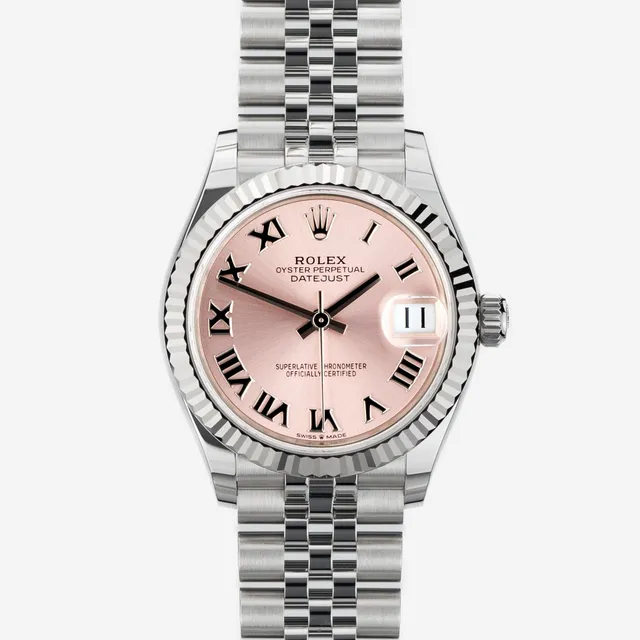
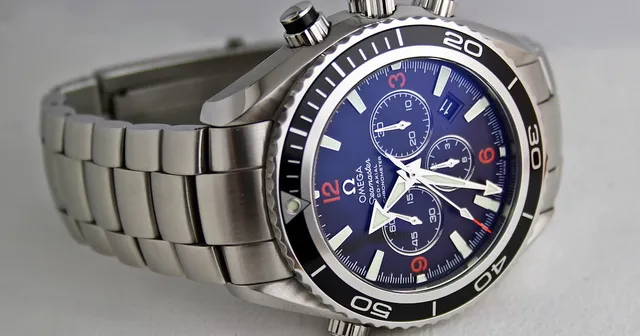
Case, dial, hands, bracelet and movement need to make sense together for the reference and period. A genuine component does not establish that the whole watch is original. Equally, a disclosed service replacement is not automatically a counterfeit part.
Ask the seller for clear photographs, condition information and any available service or ownership documents. Missing papers do not prove a watch is fake; papers alone do not prove it is genuine.
What an inspection can tell you
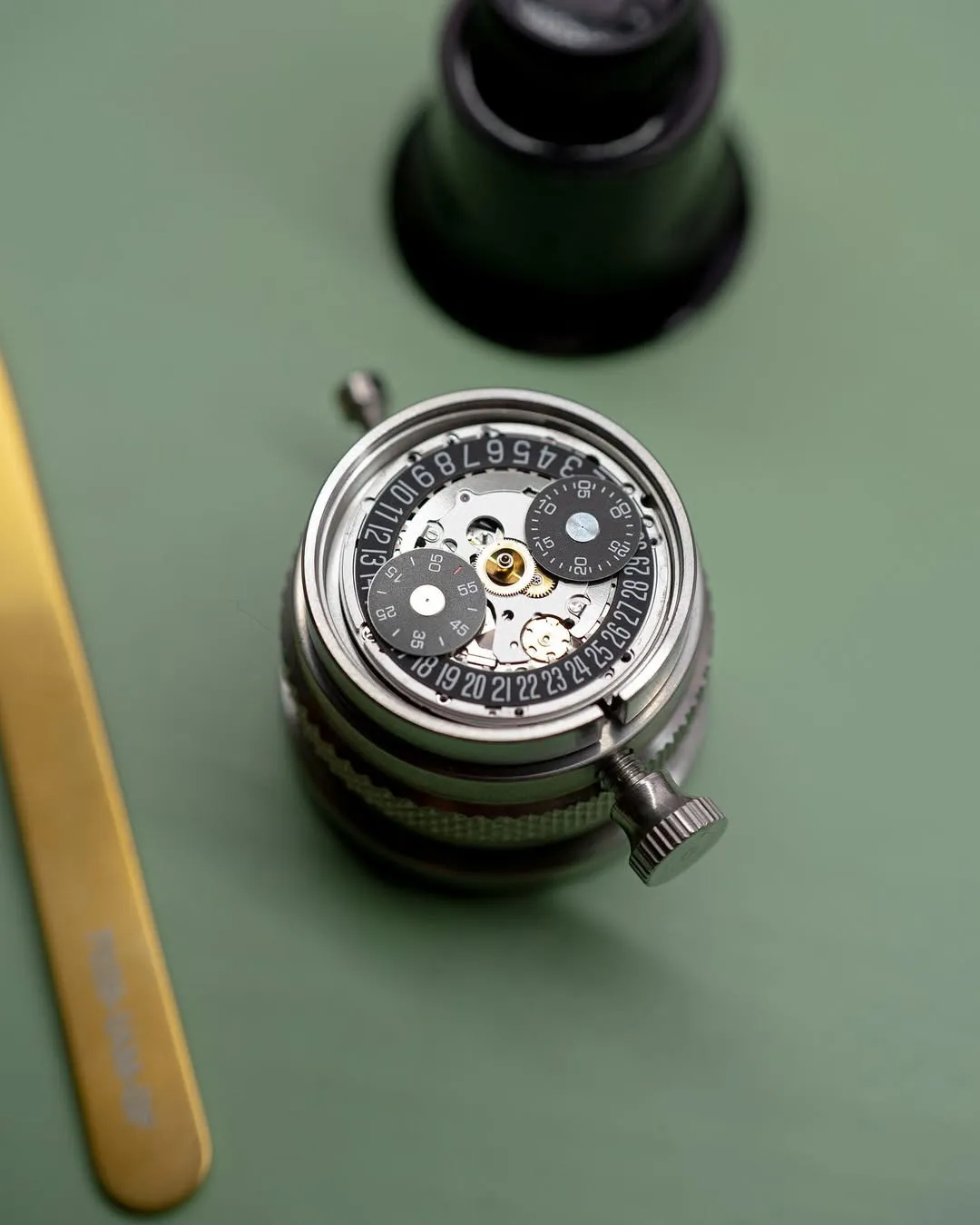
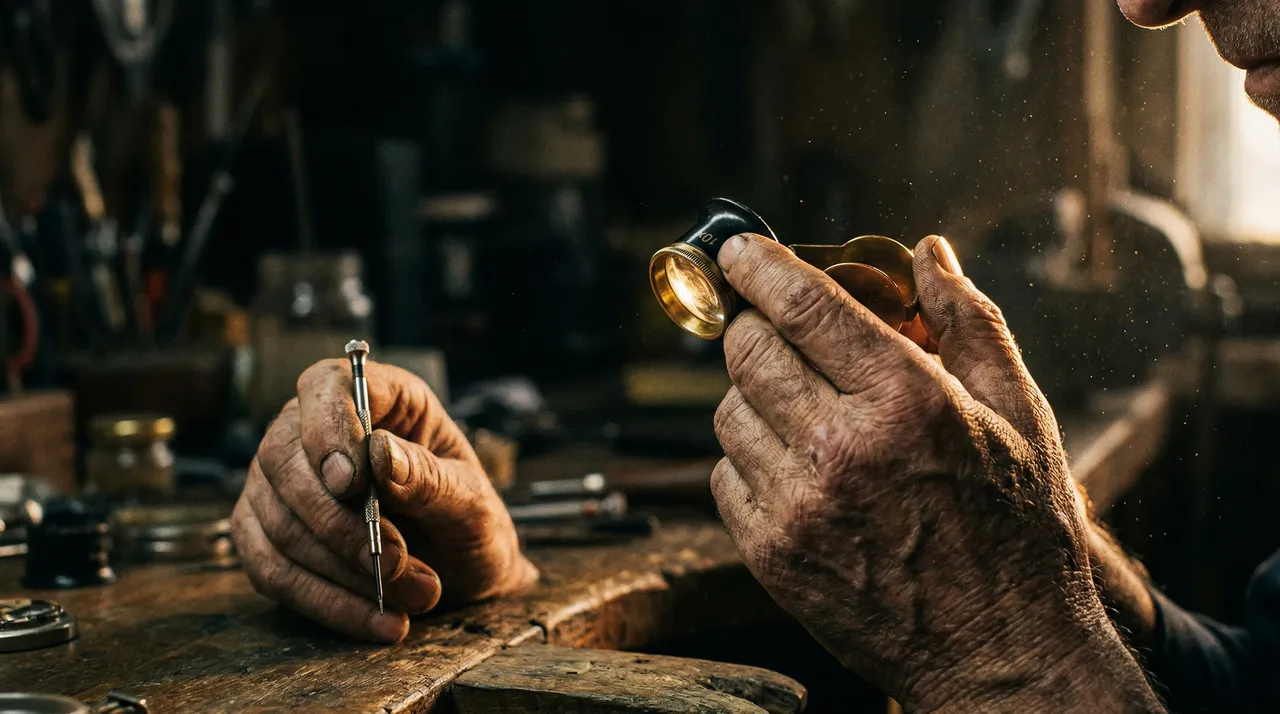
A qualified inspector assesses the watch as a whole. Movement inspection can be important, but no single feature of finishing, engraving or case construction authenticates every brand and reference. The scope of work depends on the watch and the questions the inspection needs to resolve.
Opening the case is a job for someone with the appropriate skills and equipment. Do not expose a movement to a magnet as a home authentication test.
Timing measures performance
A timing result helps assess performance under the test conditions. It does not establish authenticity. METAS explains that conventional chronometer and Master Chronometer certifications have different criteria. Ask which standard applies to the exact watch and what was measured during its inspection.
Certification criteria should not be confused with the current rate of a particular used watch. Its age, condition and test circumstances matter. A counterfeit can keep good time, and an authentic watch can need servicing.
Lume is a clue, not a verdict
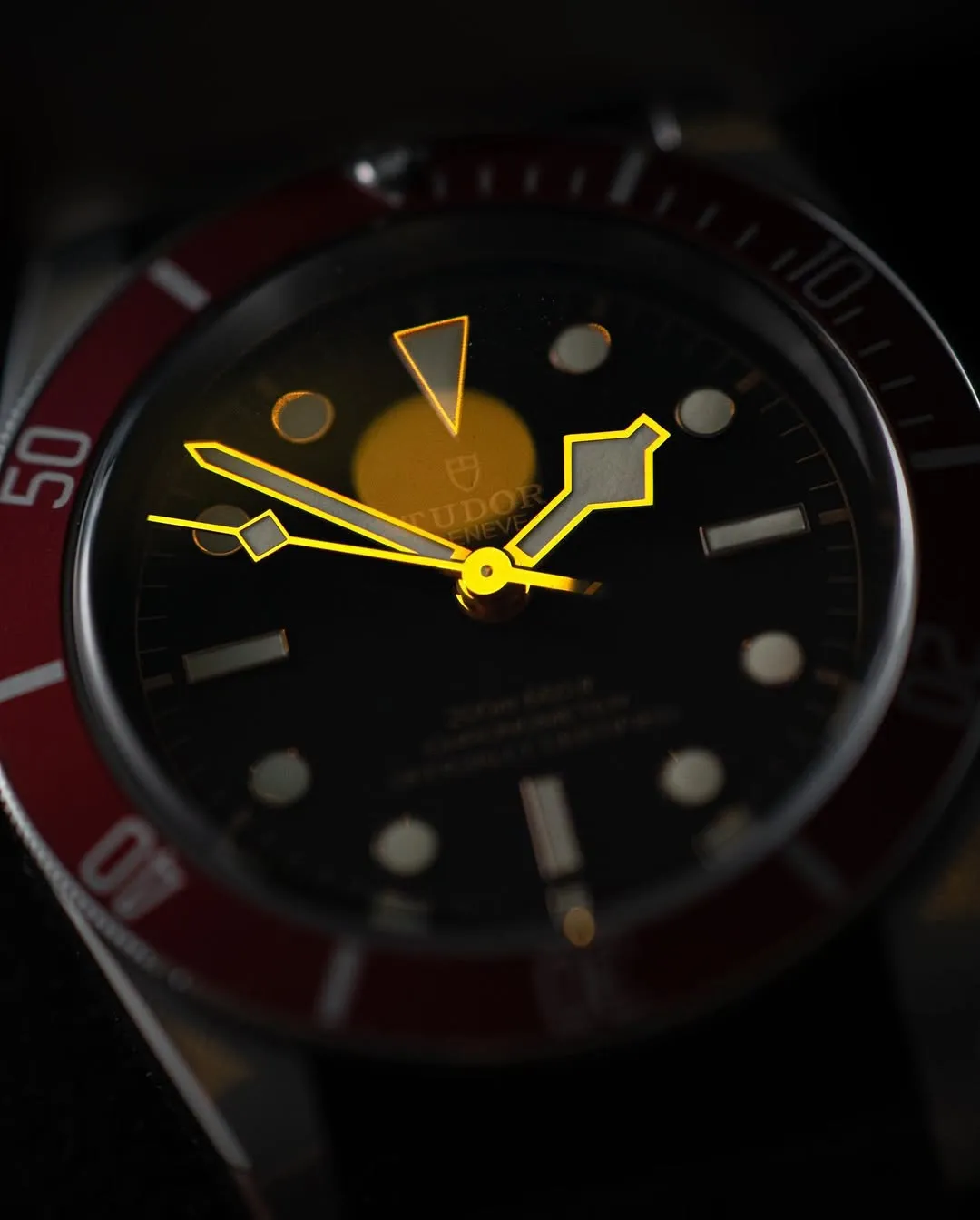
Luminous materials and their behaviour differ by reference and age. An unusual result can justify further inspection; a convincing glow cannot prove authenticity.
Documents and digital records need context
Check what a document actually certifies and whether it relates to the exact watch. An archive extract, warranty card, service invoice and authenticity certificate are different records. Zenith's explanation of extracts and certificates, for example, distinguishes information from its archives from certification following physical examination.
For a digital record, check the issuing organisation, the exact watch it identifies and what the service verifies. Confirm those details directly with the issuer if anything is unclear.
What we do at ChronoTimepieces

Every watch is inspected on arrival for authenticity, functionality and performance. We work with an experienced local watchmaker who handles high-end and highly complicated watches daily. Watches are serviced when needed, and every watch we sell includes a 1-year commercial warranty.
See our authenticity information, warranty and returns policy. Ask us about the specific watch if you need clarification about its condition or the records available.
Before paying
- Verify the seller's identity and contact details, and read the description carefully.
- Compare the exact reference and condition with other examples. A low price is a reason to investigate, not proof of a counterfeit.
- Ask about replaced parts, polishing, service history and included accessories.
- Agree how any independent inspection will work before paying.
- Read the return and warranty terms and keep the listing and invoice.
A stolen-watch database search and a physical authentication answer different questions. Neither should be described as a substitute for the other. Ask any provider what its check includes and confirm its current fee directly.
Can I authenticate a watch from photos?
Photos can reveal inconsistencies and help decide what needs inspection. They cannot provide certainty about every component or its condition.
Does good timekeeping prove a watch is genuine?
No. Timing is a performance observation under particular conditions, not an authenticity certificate.
Can lume or a magnet test settle the question?
No. There is no universal lume colour or duration that proves authenticity, and exposing a movement to a magnet is not a suitable home test.
What does a mixed-parts watch mean?
It may contain parts from different watches, periods or sources. The important questions are whether the components are genuine, appropriate for the reference and accurately disclosed. A specialist should assess the individual watch.
How much does professional authentication cost?
Scope and fees vary. Ask the provider for a current quote and a clear description of what is inspected, documented and covered. Confirm whether the fee covers a written assessment and any follow-up questions.
What records should I keep?
Keep a copy of the listing, invoice, correspondence and any inspection or service documents supplied with the watch. They record what you bought and what the seller disclosed.
Keep reading: