10 things to know before buying your first luxury watch
Budget, brands, movements, sizing, and where to buy. A straightforward guide covering 10 essential things to know before buying your first luxury watch, from Rolex to Omega to pre-owned strategies.
Buying your first luxury watch is exciting and a little overwhelming. There are hundreds of brands, dozens of movement types, and prices that range from "nice dinner" to "nice car." This guide covers 10 things worth knowing before you hand over your credit card.
1. Set a budget and actually stick to it
Luxury watches start around a couple thousand dollars and go up from there. Way up. Before you start browsing, decide what you're comfortable spending. It's easy to fall for a watch that costs twice your budget, especially once you start reading about complications and finishing quality.
One useful framing: this is your first luxury watch, not your last. You can always upgrade later. Start with something you can afford without stress, and save the grail for when your collection (and your bank account) is ready.
2. Get to know the brands
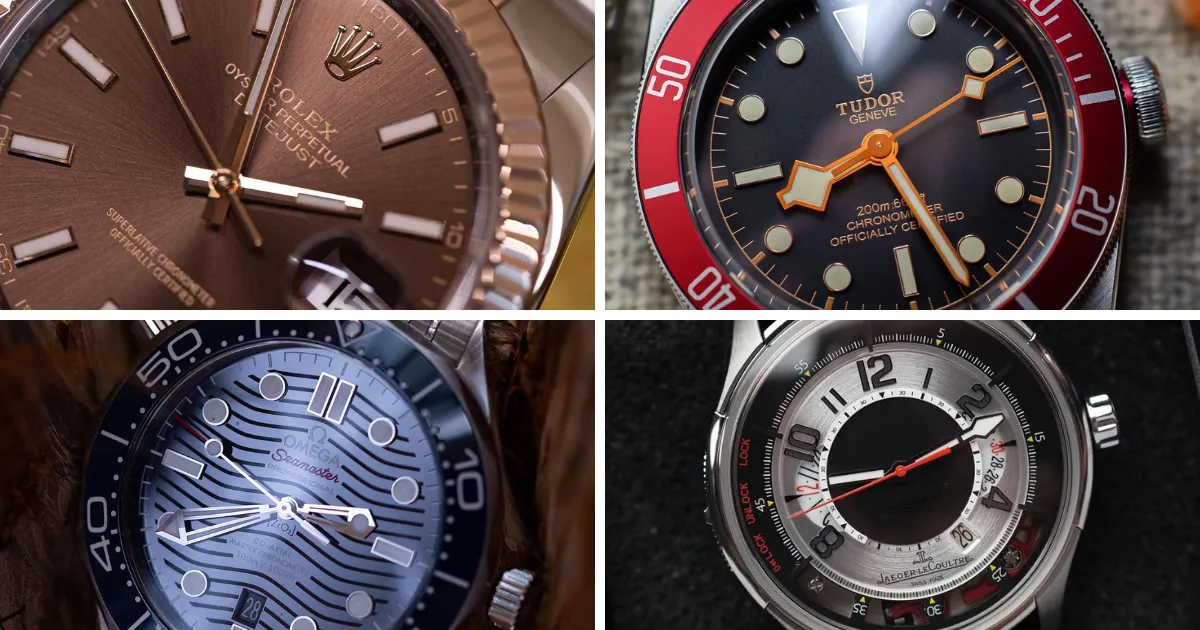
Each brand has its own personality and price bracket. Here's a rough guide to some of the major names:
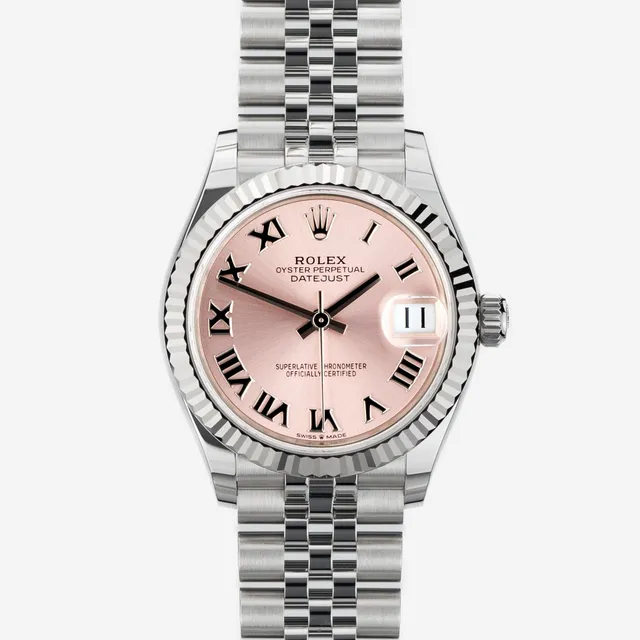
Rolex is the obvious one. Probably the most recognised luxury watch brand in the world. Strong resale value, reliable movements, and designs that have barely changed in decades (which is either a strength or a weakness depending on your perspective).
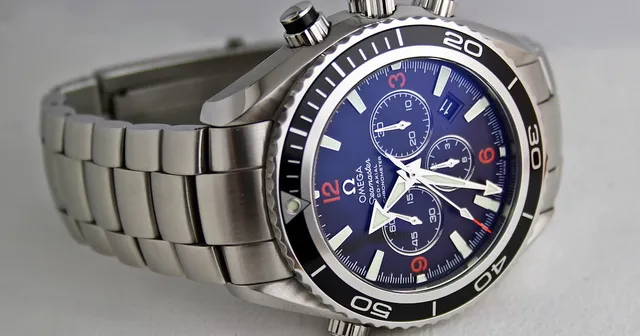
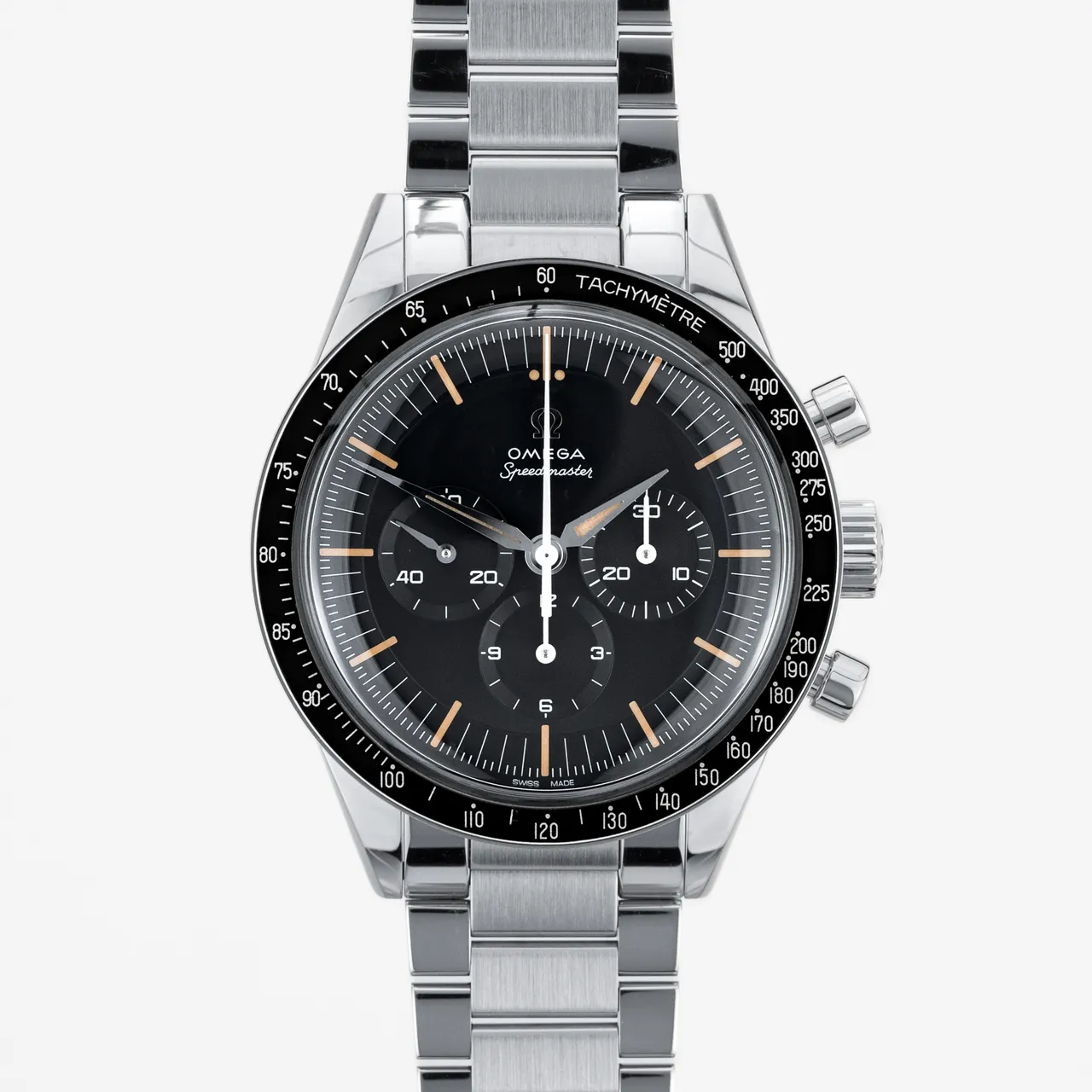
Omega offers a similar Swiss pedigree at generally lower prices than Rolex. The Speedmaster went to the moon, and the Seamaster has been on James Bond's wrist since 1995. Good range of sporty and dressy options.
Breitling leans aviation and diving. Bold, chunky designs with a technical feel. If you like your watches big and busy, Breitling is worth a look.
Zenith is a favourite among movement nerds. Their El Primero chronograph caliber is one of the most respected in the industry. Classic styling with serious mechanical credibility.
Audemars Piguet sits at the high end. The Royal Oak is their flagship, and it's become one of the most sought-after watches in the world. Expect to pay accordingly and possibly wait for an allocation.
Blancpain is one of the oldest watch brands still operating. Known for elegant dress watches and the Fifty Fathoms dive watch. They've never made a quartz watch, which they're quite proud of.
Do some reading on whichever brands catch your eye. Knowing a brand's strengths and heritage helps you choose something that actually suits you.
3. New vs pre-owned
For a first luxury watch, pre-owned is worth serious consideration.
The value argument is straightforward: most luxury watches depreciate after the first purchase (some popular models excepted). Buying pre-owned means that initial depreciation has already happened. You get more watch for your money.
Selection is another advantage. Pre-owned opens up discontinued models, vintage pieces, and references that are impossible to find new. A 1990s Omega or a discontinued Rolex variant might be exactly what you want, and pre-owned is the only way to get it.
Reputable dealers inspect and authenticate everything they sell, usually with a warranty included. And there's the environmental angle: giving a well-made watch a second life instead of buying new.
That said, buying new has its own appeal. Manufacturer warranty, the satisfaction of being the first owner, and knowing the full service history from day one. It comes down to what matters more to you.
4. Understand watch movements
You'll see three terms a lot: automatic, manual, and quartz.
Automatic (self-winding) movements use a rotor that spins with your wrist movement to keep the mainspring wound. No battery. Wear it regularly and it stays running. Most luxury watches use automatic movements, and they're the most popular choice for a first purchase.
Manual-wind movements require you to wind the crown by hand every day or two. Some people enjoy the ritual. It's a direct, physical connection to the mechanics of the watch. Just don't forget, or your watch stops.
Quartz movements run on a battery. They're the most accurate of the three and require minimal maintenance (battery change every few years). They lack the mechanical romance of the other two types, but they're practical and generally cheaper.
For a first luxury watch, automatic is the popular choice. But there's no wrong answer.
5. Materials matter
The material affects how a watch looks, feels, and wears over time.
Stainless steel is the standard for most luxury watches. Durable, resistant to corrosion, and handles daily wear well. It's also typically the most affordable option in any brand's lineup.
Gold (yellow, white, or rose) adds weight and visual impact. It scratches more easily than steel and costs significantly more, but if you want a statement piece, gold delivers.
Titanium is lighter than steel and hypoallergenic. It has a matte grey appearance and is strong for its weight, though it can pick up surface scratches. Some people like the patina that develops.
Ceramic is nearly scratch-proof and holds its colour indefinitely. It's increasingly common in bezels and some full cases. The trade-off: it can crack on hard impact, even though it resists scratches beautifully.
For the strap or bracelet: leather looks dressy but wears out after a year or two of daily use. Metal bracelets are more durable and versatile. Consider your lifestyle and how you dress day-to-day.
6. Think about resale value (but don't obsess over it)
Some watches hold value well. Rolex sports models, certain Patek Philippe references, and limited-production pieces from Audemars Piguet tend to retain or even increase in value over time.
Most watches, however, will lose some value after purchase. Buying pre-owned reduces that risk since the first-owner depreciation has already occurred.
If resale matters to you, research specific models with strong secondary-market demand. But here's the honest advice: buy a watch you actually want to wear. If it holds value, great. If it appreciates, even better. But building a collection around resale projections is a good way to end up with watches you don't enjoy owning.
7. Verify authenticity
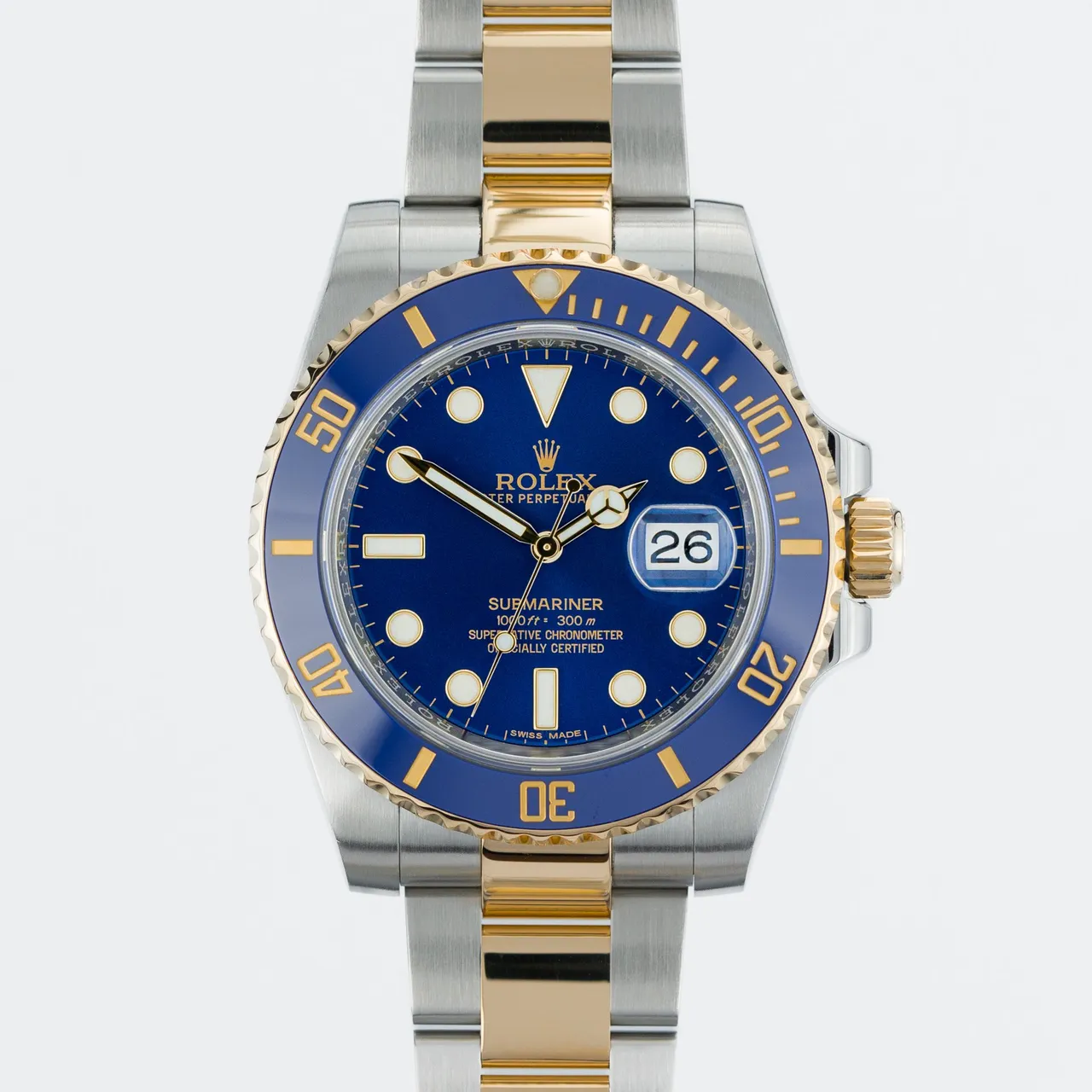
The luxury watch market has a counterfeiting problem. At higher price points, fakes can be convincing. Protect yourself:
Buy from trusted sellers. Authorised dealers and established pre-owned specialists (like us) guarantee authenticity, provide detailed photography, and include paperwork.
Check serial numbers. Every luxury watch has a serial number that can be verified against the manufacturer's records. This confirms model, production year, and whether the watch has been reported stolen.
Look at the details. Genuine luxury watches have precise finishing. Edges are clean, logos are sharp, weight feels right. If a deal seems too good to be true, it probably is.
When in doubt, get an independent assessment. A qualified watchmaker can open the caseback and verify the movement.
8. Size and fit
A watch can look great in photos and terrible on your wrist. Size matters.
Case diameter: most men's luxury watches range from 36mm to 44mm. If you have a thinner wrist, something in the 36-40mm range will likely look proportional. Larger wrists can carry 42-44mm comfortably. Try on similar sizes at a local shop to calibrate your preference.
Case thickness: thick watches sit high on the wrist and can catch on shirt cuffs. Thinner cases (under 12mm) tend to be more comfortable for daily wear.
Bracelet or strap length: make sure it can be sized to your wrist. Metal bracelets use removable links. Leather straps have holes, and extra holes can be punched if needed.
The right watch feels balanced on your wrist. Not too heavy, not too light. Not hanging over the edges of your wrist bone. When it fits, you know.
9. Maintenance is part of ownership
Mechanical watches need servicing, typically every 4-6 years. A watchmaker will disassemble, clean, and re-oil the movement, then test accuracy. Budget a few hundred dollars for this when it's due.
If your watch is water-resistant and you actually swim with it, have the seals tested every couple of years. Water damage to a mechanical movement is expensive to fix.
Day-to-day care is simple: wipe with a soft cloth after wearing to remove sweat and oils. Store it in its box or on a watch stand when not in use. If you own an automatic, a watch winder keeps it running while it's off your wrist, though this is optional.
A well-maintained luxury watch can last decades and get passed down. The service costs are modest relative to the value of the watch.
10. Choose your dealer carefully
Where you buy matters as much as what you buy. A good dealer authenticates every watch, describes condition accurately, provides documentation, and stands behind the sale with a warranty.
We specialise in pre-owned pieces from brands like Rolex, Omega, Breitling, Zenith, Audemars Piguet, and Blancpain. Every watch is inspected, photographed in detail, and sold with documentation. Our inventory updates regularly, so there's usually something new to look at.
If you have questions about a specific watch, want additional photos, or need advice on what might suit you, reach out. We're happy to help.