Before W&W 2026: the asking prices quoted in our April guide
The asking prices originally quoted in our April 2026 guide, with sold examples identified. These are historical quotations, not achieved sale prices.
April 2026 archive: The prices below are asking prices quoted in the original article, not achieved sale prices or current offers. They have not been independently reconstructed as an April transaction dataset. The AP 26331ST and Vacheron 49150 examples have sold. Forecasts are the author's pre-fair opinions, not verified outcomes. See current inventory.
Watches & Wonders moves the pre-owned market fast, so the short answer is this: if you were planning to buy before the biggest 2026 reveals settled in, Rolex GMT references, the AP Royal Oak Chronograph, and the steel Vacheron Overseas Chronograph were the cleanest places to look. We are publishing this baseline because the point is not to guess wildly. The point is to mark where prices stood, which models had genuine upside, and which ones looked more exposed if brands showed up with a better replacement.
There is context behind that urgency. Watches & Wonders Geneva 2025 pulled more than 55,000 visitors, according to the event's official recap, which tells you how much attention this show now gets. The Federation of the Swiss Watch Industry said February 2026 exports rose 9.2% year on year to CHF 2.168 billion, with France up 57.1%, a reminder that demand did not exactly disappear. And WatchCharts said its Overall Market Index gained 0.6% in February 2026, with Rolex up 0.6% and Patek Philippe up 0.7%. In other words, this market walked into W&W on firmer legs than most people expected.
Why this baseline matters
Most W&W coverage turns into a pile of launch photos and hot takes. Useful for a day, forgotten a week later. We wanted a cleaner reference point.
If a model gets discontinued, prices can jump in a hurry. If a brand lands a strong replacement, older references can stall or dip first. That is why a "before" snapshot matters. It gives buyers something better than mood and forum noise.
The quick read
Definition: A pre-W&W price baseline is a dated snapshot of secondary-market pricing for the references most likely to react to new releases. It matters because discontinuations, anniversary drops, and major movement updates often reprice adjacent pre-owned models within days, not months.
Here are the pieces we would have watched hardest heading into the fair.
| Model | Asking price quoted in this article | What could move it | Original forecast (not outcome) |
|---|---|---|---|
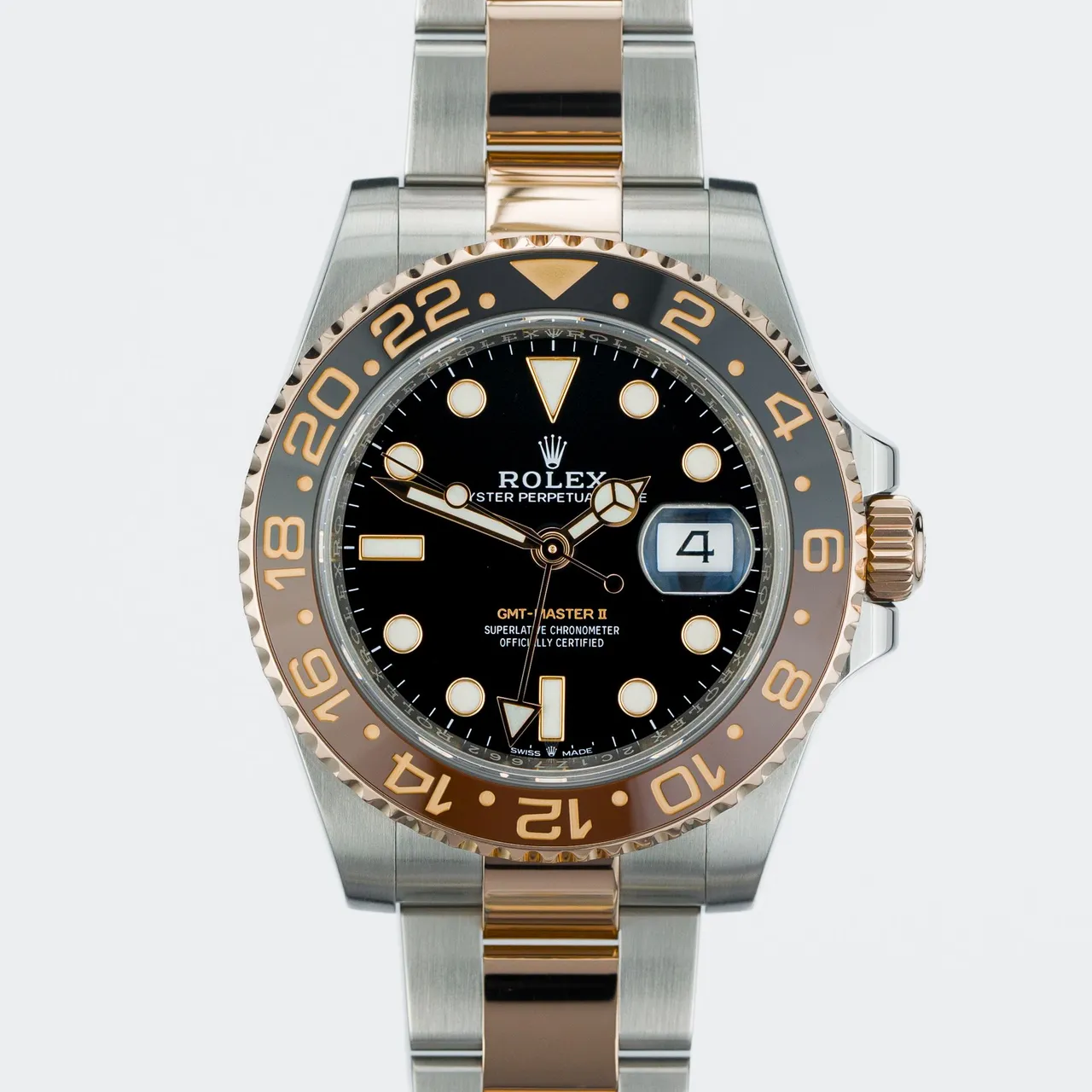
| Rolex GMT-Master II "Root Beer" 126711CHNR | €16,099 to €17,299 | GMT family refresh, colorway changes, spillover if Pepsi chatter stays loud | Up |
| Rolex GMT-Master II "Batman" 126710BLNR | €15,399 | Same GMT story, plus scarcity premium if attention shifts from Pepsi to Batman | Up |
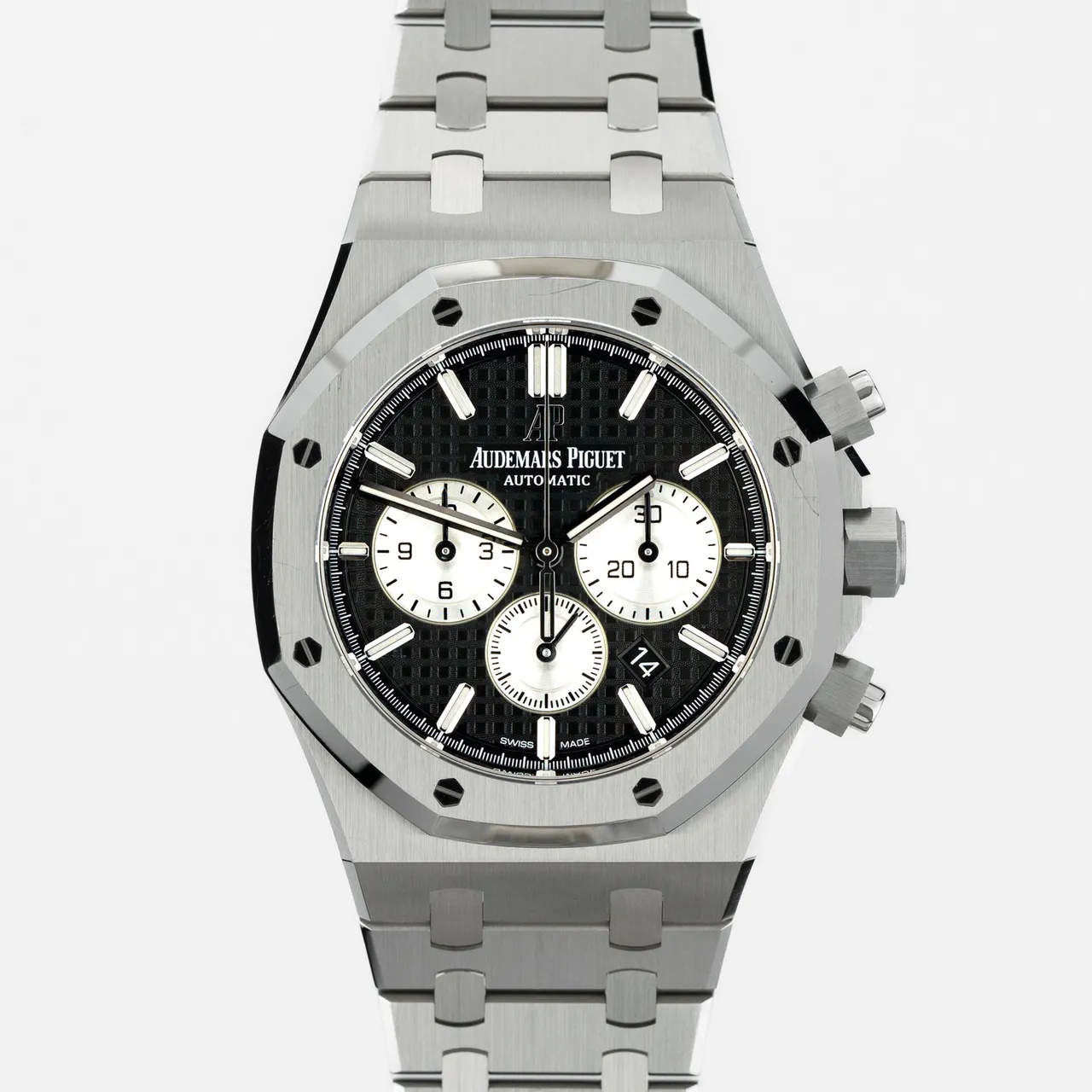
| Audemars Piguet Royal Oak Chronograph 26331ST | €38,399 | AP back in the W&W conversation, Royal Oak halo effect | Up |
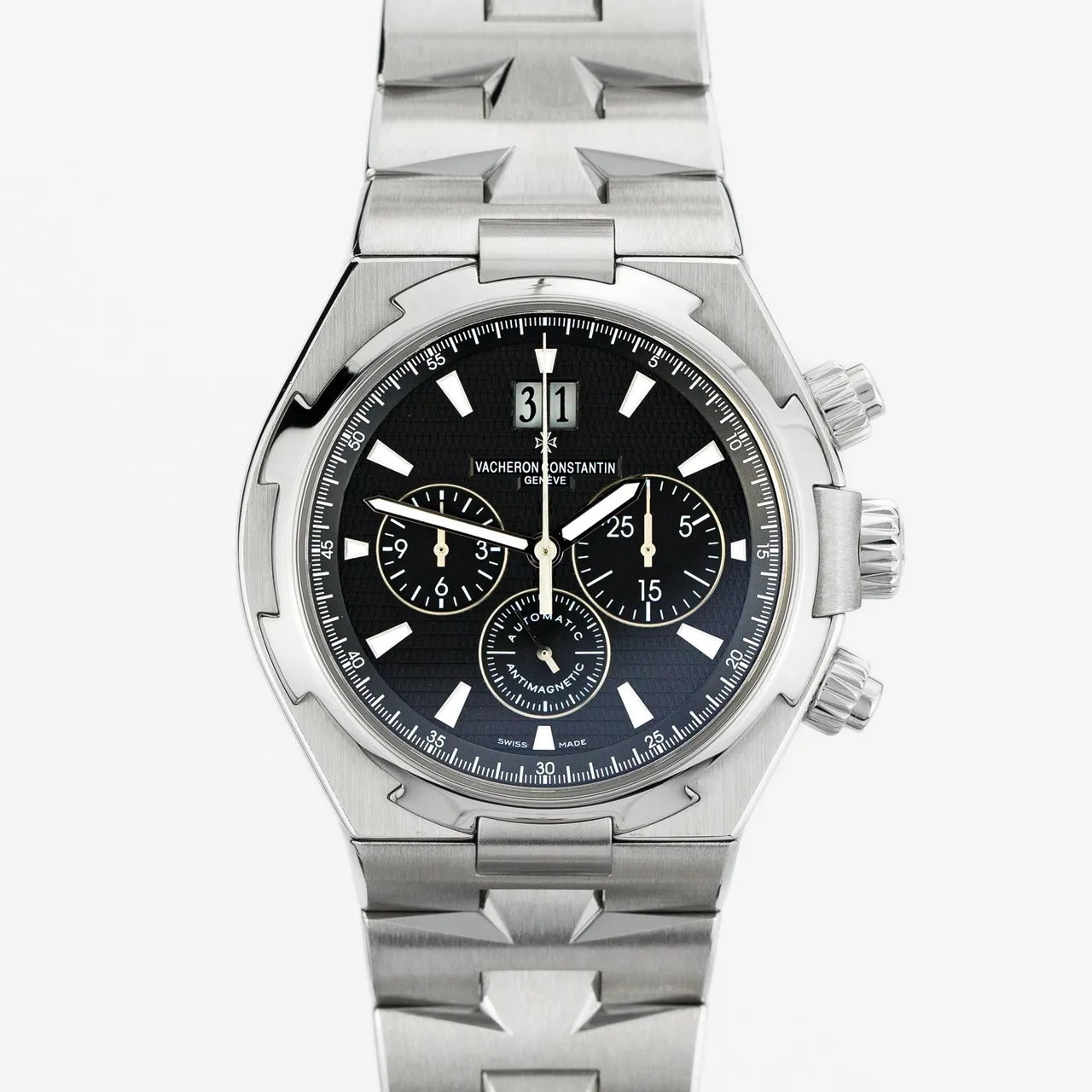
| Vacheron Constantin Overseas Chronograph 49150 | €18,899 | Any Overseas news, plus relative value versus AP and Patek sports chronos | Up |
| Rolex Sky-Dweller Blue 326934 | €16,199 | Travel-watch attention helps, but an update can cap upside | Stable to down |
| Rolex Submariner No-Date 114060 | €9,099 | Discontinued reference, collector familiarity, safer than hype-heavy pieces | Slightly up |
| Tudor Submariner Prince Oyster 75090 | €5,699 | Tudor centennial halo, vintage Tudor underpricing | Up |
The pattern is pretty simple. We like models with one of three things: a real chance of discontinuation drama, a strong halo from brand-level hype, or an obvious value gap versus the alternatives.
Rolex still owns the temperature of the market
Rolex is not officially the whole show, but it still sets the tone for how buyers behave during this week. In our inventory snapshot, the sharpest pre-event setup sat in the GMT family.
The Batman made sense because it lives in the sweet spot: liquid enough to trade quickly, famous enough to attract mainstream demand, and still directly tied to every GMT rumor cycle. The Root Beer had a slightly different profile. It is not as broad a crowd-pleaser as the Batman, but it has become one of the most wearable two-tone modern Rolexes, which matters when buyers get tired of shouting references and want something they actually enjoy on the wrist.
The Submariner No-Date 114060 looked less explosive, but maybe cleaner. Discontinued, widely understood, and not dependent on some miracle launch. Those are good qualities when everyone else is chasing headlines.
AP and Vacheron were the smarter enthusiast plays
The now-sold Royal Oak Chronograph 26331ST at €38,399 is exactly the kind of watch that benefits when the room starts talking about a brand again. AP's broader return to the fair narrative mattered more than any single rumor. When collectors start paying attention to Royal Oak references across the board, the steel chronograph is rarely left behind.
Then there is the now-sold Vacheron Constantin Overseas Chronograph 49150. At €18,899, it is the watch in this lineup that keeps making us stop and swear a little. Not because it is cheap, obviously. Because relative to what buyers will pay for adjacent AP and Patek sports chronographs, it still looks under-loved.
That does not mean it rockets overnight. It means the downside is easier to live with, and the upside does not require much imagination.
The tariff factor is still hanging over the retail side
One reason the pre-owned market had a decent setup heading into W&W is simple: new watches are not getting cheaper, and buyers know it. Our earlier Section 301 tariff analysis already laid out the risk. If brands bake more pricing pressure into fresh launches, existing pre-owned stock looks better, not worse.
That is especially relevant for travel watches, steel sports models, and anything already trading close to perceived fair value. Buyers do not need a huge market squeeze to move. Sometimes they just need one more reason not to wait.
What we would have bought before the dust settled
If you wanted the highest-upside, highest-liquidity trade, it was the GMT cluster, especially the Batman and Root Beer. If you wanted the strongest enthusiast pick, it was the Royal Oak Chronograph. If you wanted the most mispriced watch in the room, it was probably the steel Overseas Chronograph.
For a safer hold, the 114060 remained the grown-up choice. It is already discontinued, already understood, and does not need a press-release miracle to make sense.
If you want the broader setup around this week, read our W&W 2026 final preview, our AP return analysis, and our Swiss exports piece. They all feed into the same conclusion: buyers who came in with a plan had an edge over buyers who came in with adrenaline.
FAQ
How much can pre-owned prices move after Watches & Wonders?
For the references most directly hit by a launch or discontinuation, single-digit moves can happen almost immediately. Double-digit moves are rarer, but they are not weird when a brand confirms the rumor everybody had been trading on.
Which watches looked best positioned before W&W 2026?
Our shortlist was the Rolex GMT-Master II Batman, the Rolex GMT-Master II Root Beer, the AP Royal Oak Chronograph 26331ST, and the Vacheron Constantin Overseas Chronograph 49150. Each had either a catalyst, a halo effect, or a value gap working in its favor.
Is pre-owned safer than buying the new release right away?
Often, yes. A strong pre-owned reference gives you known pricing, known market behavior, and actual comparables. A fresh release gives you hype, uncertain allocation, and retail pricing that can look silly a week later.
Why does a price baseline matter for buyers?
Because without a baseline, every post-event take becomes vibes. A baseline gives you a date, a number, and a way to tell whether the market actually moved or whether people just got noisy.