
Swatch Group fires back at Morgan Stanley: what the analyst war means for watch buyers
Swatch Group publicly challenged Morgan Stanley's Swiss Watcher report with line-by-line corrections. The data fight reveals more about watch industry consolidation than either side intended.
Swatch Group just did something rare. On February 27, the world's largest watchmaking conglomerate published a formal open letter to Morgan Stanley's management, tearing into the bank's ninth annual "Swiss Watcher" report. Not a PR-friendly statement. Not a polite correction. A line-by-line takedown of specific data points, calling the findings "erroneous and questionable."
The report, compiled annually by Morgan Stanley in partnership with Geneva consultancy LuxeConsult, is the closest thing the Swiss watch industry has to a public scorecard. It ranks the top 50 brands by estimated revenue, market share, and average price. For most brands, the numbers are educated guesses — Swiss watchmakers are famously secretive about financials.
This year, Swatch Group didn't like what they saw.
What Morgan Stanley actually said
The 2025 Swiss Watcher report painted a picture of an industry consolidating fast around the top. A few highlights:
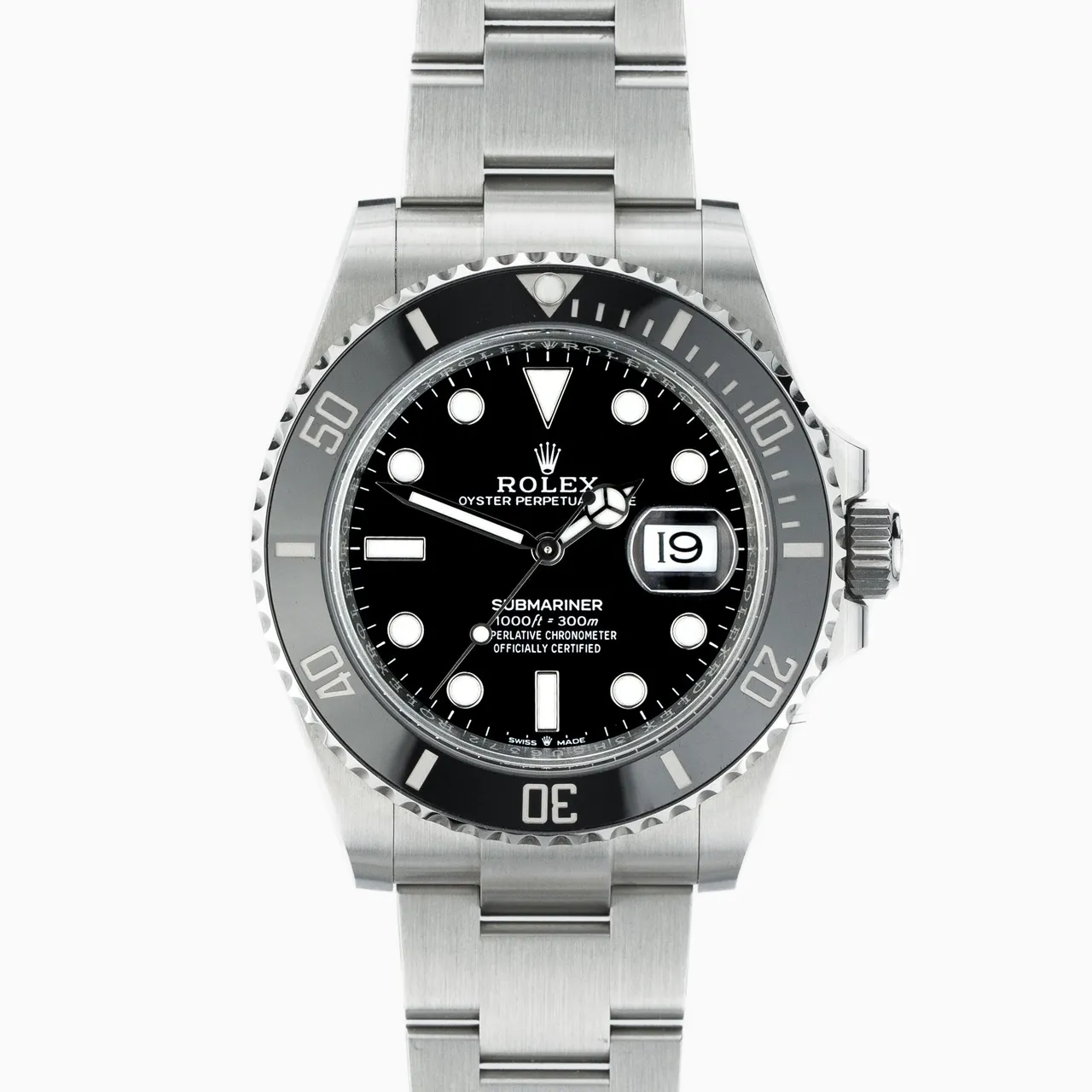
Rolex crossed CHF 11 billion in estimated revenue for the first time, producing roughly 1.15 million watches (down 2% in production) at an average price of CHF 14,000 (up 6%). The brand now accounts for roughly a third of the entire Swiss watch industry by revenue.
The top four privately held brands — Rolex, Patek Philippe, Audemars Piguet, and Richard Mille — command a combined 49% market share, up from 37% in 2019. Half the Swiss watch industry, four companies. That's the trend line everyone should be watching.
Industry volumes have dropped to 14.6 million units — down 51% from the 2011 peak. Fewer watches, higher prices. The premiumization numbers are staggering: watches priced above CHF 50,000 account for just 1.4% of total units sold but represent 37% of export value and 89% of the industry's total growth in 2025.
Omega, Swatch Group's crown jewel, allegedly slipped from third to fifth in brand rankings, behind both Audemars Piguet and Patek Philippe. And Longines, per the report, became "loss-making" in 2025.
Swatch Group's rebuttal
Here's where it gets interesting. Swatch Group didn't just complain — they brought receipts.
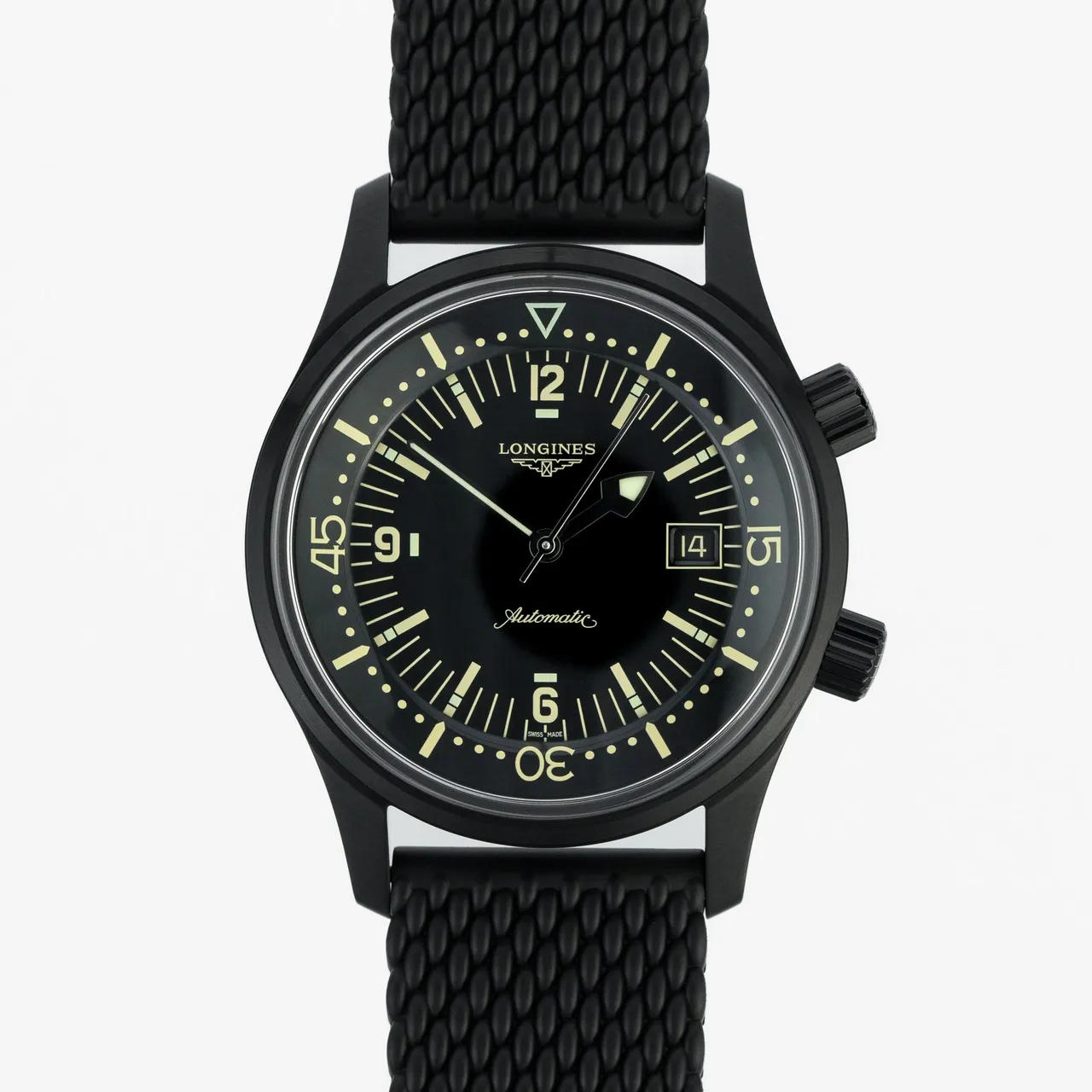
Longines reported a 16.6% profit margin on net sales in 2025. Not loss-making. Profitable. That's a direct contradiction of the report's characterization, backed by Swatch Group's own audited numbers.
Tissot grew sales by 3% in a year when Morgan Stanley estimated a 5% contraction for the brand. Wrong direction entirely.
Hamilton's unit sales are roughly three times higher than Morgan Stanley reported. The bank estimated an average retail price of CHF 2,014 per Hamilton watch. Swatch Group says the actual figure is CHF 741. That's not a rounding error — it's nearly a 3x overestimate.
Same story with Mido: Morgan Stanley pegged the average price at CHF 2,131. Swatch Group says it's CHF 969.
Overall, Swatch Group claims it outperformed the Swiss export decline in 2025 (-1.3% versus the industry's -1.7%) and grew sales by 4.7% at constant currency in the second half.
What the letter doesn't say
The Velociphile newsletter made a sharp observation: Swatch Group published its full 2025 results on January 30, a full month before the open letter. Those results show group net profit of CHF 25 million, down 89% from CHF 219 million in 2024. The group operating margin sits at 2.1%.
But the core watches and jewellery division posted a 9.5% operating margin and CHF 549 million in operating profit. The group-level collapse reflects deliberate losses absorbed in the production segment to maintain manufacturing capacity and protect jobs.
The open letter mentions none of this. It corrects Morgan Stanley's brand-level errors while leaving the broader financial picture to interpretation. Smart corporate communications, but it means readers of the letter alone only get part of the story.
What this means if you're buying watches
For anyone shopping for watches right now, the real story isn't who's right about Longines margins. It's the structural shift happening beneath the argument.
The middle is getting squeezed. When the top four brands own half the market and premium watches drive 89% of growth, brands in the CHF 1,000–5,000 range face real pressure. That doesn't mean they're dead — Longines posting a 16.6% margin proves the mid-range works. But fewer brands will survive there.
Consolidation changes what's available. Rolex producing fewer units at higher prices means waitlists stay long and pre-owned demand stays high. If you've been eyeing a Submariner or GMT-Master II, the secondary market is where the action is.
Data opacity is the norm. A Reddit commenter captured the industry's information problem perfectly: "Müller obviously has an incentive to publish whatever he writes through LuxeConsult, and Swatch Group obviously has an incentive to 'correct' what negatively impacts them. We'll probably never know the truth." When a Fortune 500 investment bank and the world's largest watch conglomerate can't agree on basic pricing data for Hamilton, buyers navigate blind. Due diligence matters more than ever.
Independent brands are gaining ground. Christopher Ward entered the top 50 for the first time, with sales up 50% to CHF 51 million. Jacob & Co. posted the fastest growth at 14%. The industry isn't just consolidating upward — it's also sprouting new competition at the edges.
The bigger picture
The Swiss watch industry produced 30 million watches annually a decade ago. Now it's 14.6 million. The watches that remain cost more, target wealthier buyers, and concentrate in fewer brands. That's not a crisis for the brands winning the consolidation game. It is a meaningful shift for everyone else.
For collectors and buyers, the practical takeaway: watches from established brands — whether it's an Omega Speedmaster Moonwatch or a Longines Legend Diver — hold up better in a consolidating market. Audemars Piguet's Royal Oak continues to command secondary market premiums that reflect just how concentrated collector demand has become.
The Swatch-Morgan Stanley fight will blow over. The trend it exposed won't. Pay attention to the numbers, even when the people producing them can't agree on what they are.