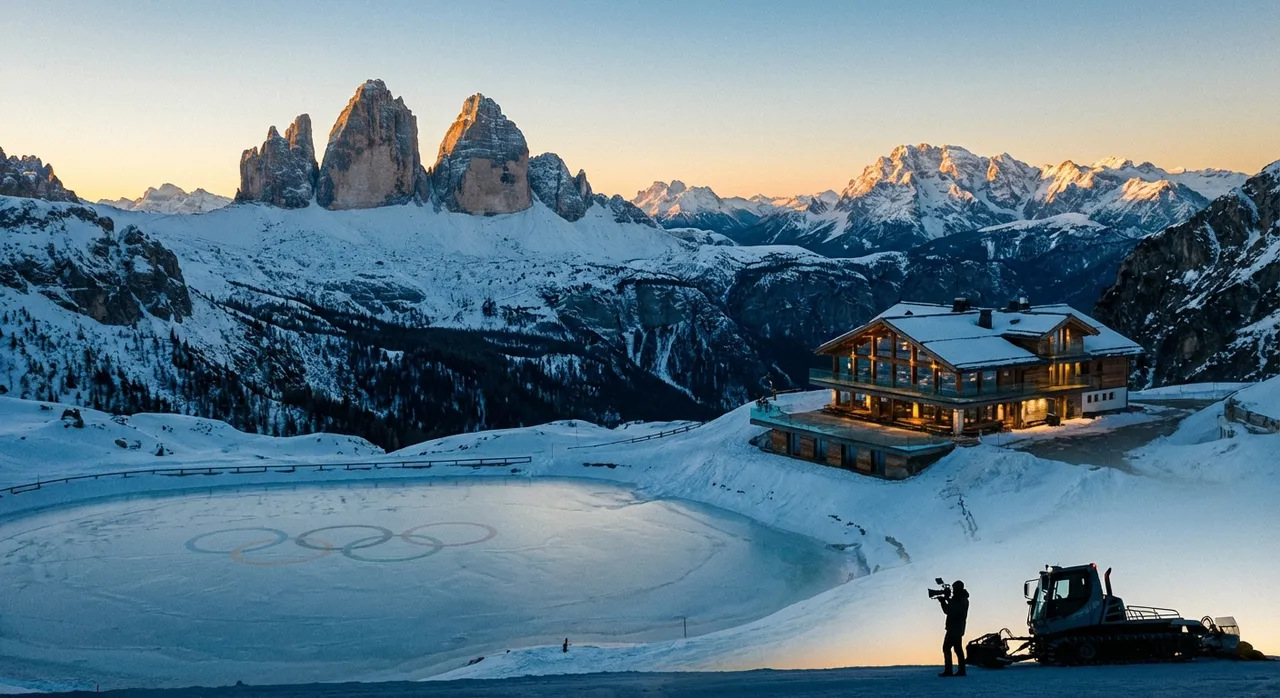
Omega at Milano Cortina 2026: 94 years of getting it right when it matters most
From 30 stopwatches in 1932 to cameras shooting 40,000 frames per second. How Omega times the Winter Olympics, and the three watches they made to celebrate.
The Winter Olympics are in full swing in Milan and Cortina, and if you've been watching any of the coverage, you've probably noticed the red Omega logos plastered across every finish line, every scoreboard, every timing display. That's not just sponsorship. That's 94 years of a company whose entire reputation rides on getting the numbers right.
Milano Cortina 2026 marks Omega's 32nd turn as the official Olympic timekeeper. The relationship started in 1932, when a single Omega employee showed up to the Los Angeles Games carrying 30 stopwatches in a bag. Nearly a century later, the operation involves hundreds of staff, years of preparation, and equipment that can measure time down to one-millionth of a second.
And the margins at these Games have been razor-thin. Breezy Johnson won the women's downhill by four-hundredths of a second over Germany's Emma Aicher. Four-hundredths. That's roughly the time it takes to blink halfway. Without Omega's photo-finish cameras shooting 40,000 frames per second, there's simply no way to determine a winner.
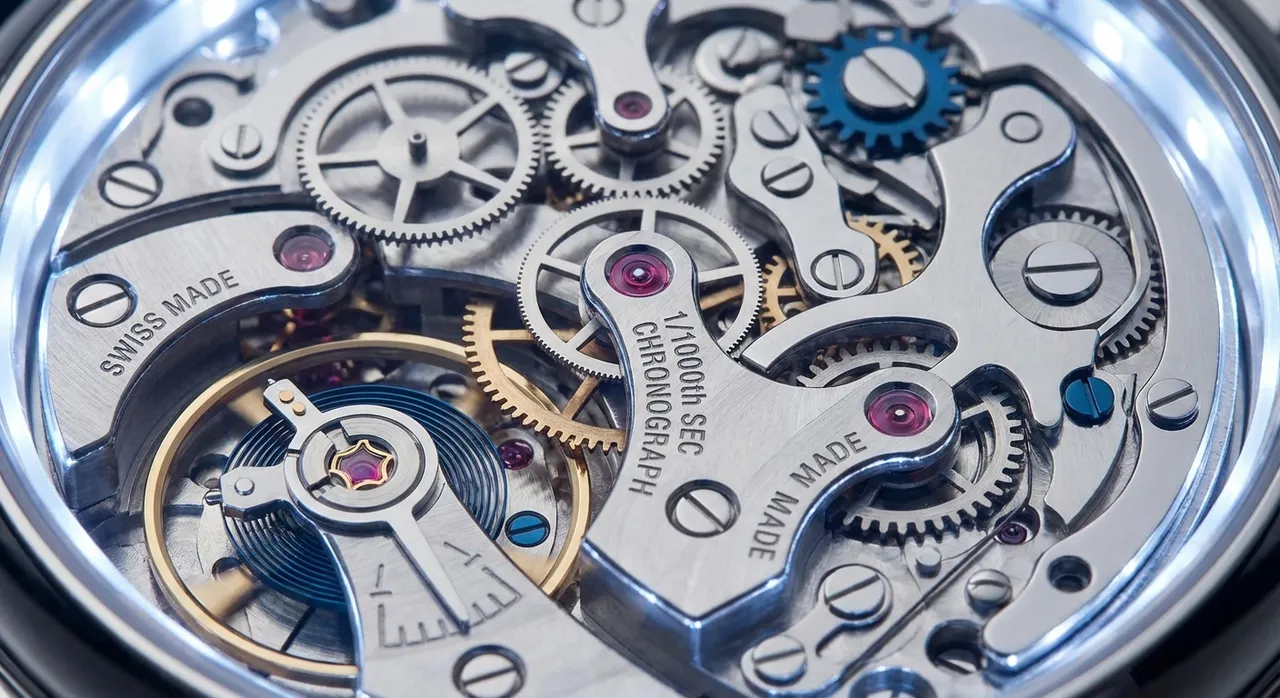
The tech behind the stopwatch
Omega doesn't just measure start and finish times anymore. Their Computer Vision system, first introduced at the 2018 PyeongChang Games, has evolved into something genuinely impressive for Milano Cortina.
In figure skating, cameras now track the exact angle of each skater's blade on the ice. Jump heights, rotation counts, landing speeds — all captured in real time and fed to judges. It's the kind of data that used to require frame-by-frame video review after the performance. Now it happens live.
Bobsleigh got a new trick too: the Virtual Photofinish. Sensors inside each sled and eight antennas along the track measure speed and roll angle, then generate a composite image showing every team's finish overlaid for comparison. It sounds like a video game replay, but it's how officials are actually making calls.
Ski jumping and Big Air events now use high-speed camera arrays (four to six per jump) instead of body-worn sensors to track athletes' 3D positions, trajectories, and rotation speeds. The system produces stroboscopic images showing the full arc of a jump — useful for judges, but honestly just cool to look at.
"We take a lot of pride doing it, but it also humbles us a lot," Omega Timing CEO Alain Zobrist told NBC News. "We know that we can't do any mistakes."
He's not being dramatic. At the 2014 Sochi Olympics, the men's 1,500-meter speed skating final was decided by three-thousandths of a second. That's roughly a hundred times faster than a blink. Zobrist put it plainly: "These tiny little margins you can't see with your naked eye. It's just too fast."
Three watches to mark the occasion
Omega released a trio of limited-edition pieces for Milano Cortina 2026, and they lean hard into the winter aesthetic.
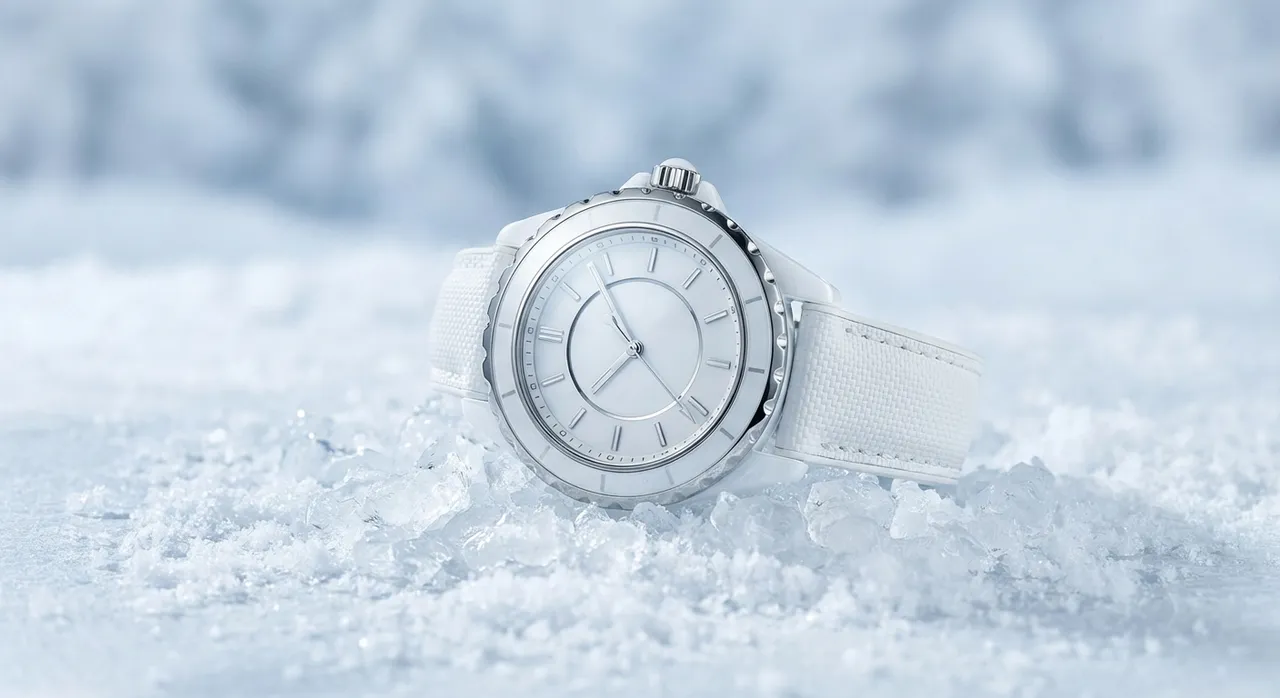
The Seamaster Diver 300M Milano Cortina is the headliner. White ceramic case, frosted laser-engraved dial inspired by the Cortina 2026 emblem, titanium caseback and bezel. The whole thing looks like it was carved from a glacier, and we mean that as a compliment.
| Specification | Detail |
|---|---|
| Case | 43.5mm · white ceramic with titanium |
| Caliber | 8806 · METAS Master Chronometer · 55h power reserve |
| Water resistance | 300m |
| Dial | Frosted laser-engraved · Cortina 2026 emblem |
The Speedmaster 38 Milano Cortina arrived about 100 days before the opening ceremony. A more vintage-inflected design than recent Speedmaster 38 models, and the most wearable of the three for people who don't have wrists like hockey goalies.
| Specification | Detail |
|---|---|
| Case | 38mm |
| Caliber | 3330 · chronograph |
| Bezel | Blue ceramic · tachymeter |
| Dial | White frosted |
Then there's the Seamaster 37mm Milano Cortina in 18K Moonshine gold. This one channels the original 1957 Seamaster 2850, clearly aimed at collectors rather than anyone planning to actually time a downhill run.
| Specification | Detail |
|---|---|
| Case | 37mm · 18K Moonshine gold |
| Dial | Grand Feu enamel |
| Strap | Alligator leather |
| Retail | ~$22,000 |
What this means for Omega's broader lineup
Here's where it gets interesting for watch buyers. Olympic limited editions tend to hold value well on the secondary market, partly because of genuine scarcity and partly because the Olympics create a clear timestamp — these pieces are tied to a specific moment in history.
But the real story is the technology. The same precision engineering that goes into timing a three-thousandths-of-a-second photo finish at the Olympics trickles down into the movements powering Omega's regular production watches. The METAS certification process that the Milano Cortina Diver 300M carries? That's the same standard applied to every Co-Axial Master Chronometer in Omega's current catalog.
If you're in the market for an Omega, we carry several models from the Seamaster and Speedmaster families. The Olympic editions will likely sell out fast through official channels, but the regular lineup benefits from the same DNA.
The bigger picture
Omega's Olympic contract reportedly runs through 2032. That's a century of continuous timekeeping at the world's biggest sporting event. No other watch brand has that kind of track record, literally.
The Milano Cortina Games wrap up on February 22. After that, Omega's team is already in Los Angeles preparing for the 2028 Summer Games. Their work on those began three years ago.
Ninety-four years ago, one guy with a bag of stopwatches. Today, cameras shooting 40,000 frames per second and Computer Vision tracking blade angles on ice. The tools changed completely. The job description didn't: get the time right, every time, because careers are decided in thousandths of a second.
That's a level of pressure most of us will never experience. But every time you check the seconds hand on an Omega, that's what's behind it.