The elegance comeback: why collectors are ditching tool watches
Chrono24's 2025 data shows rectangular cases up 9.3%, moon phases up 15.3%, and the flipper era is dead. Real collectors want smaller cases, dress complications, and elegance again.
Something shifted in the watch market last year, and the numbers finally caught up.
Chrono24 released their 2025 marketplace data in mid-February, and if you've been paying attention, none of it is surprising. But seeing it in hard percentages hits different. The short version: the era of 44mm dive watches and Rolex flipping is over. Collectors want smaller cases, traditional complications, and watches that look good with a suit. The pendulum swung back toward elegance, and it swung hard.
The data doesn't lie
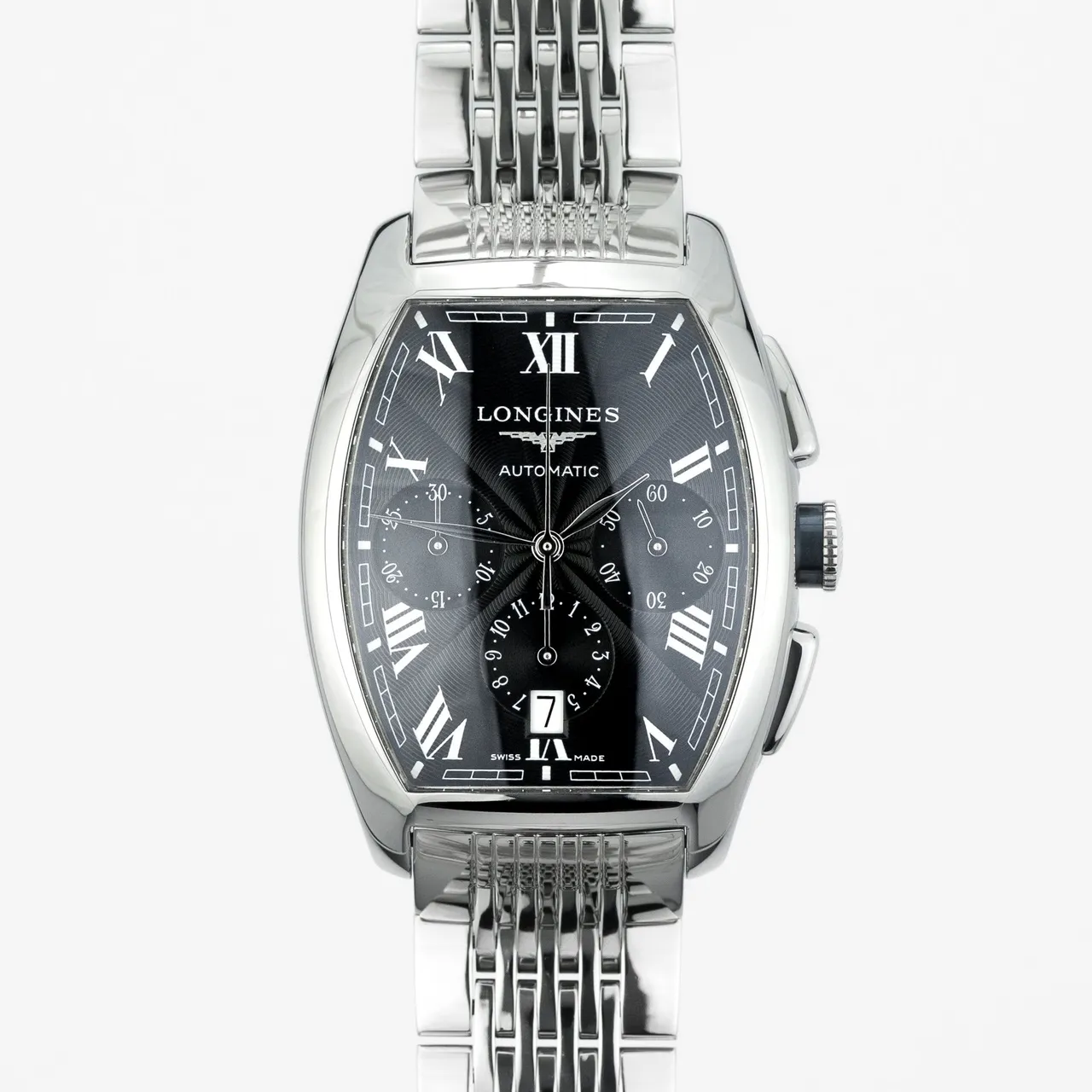
Let's start with shapes. Rectangular cases grew 9.3% in demand on Chrono24 last year. That's not a rounding error. For decades, round sports watches dominated everything. The Submariner, the Royal Oak, the Nautilus. All round, all chunky, all impossible to get at retail. Now buyers are actively seeking out Cartier Tanks, JLC Reversos, and anything that breaks the circular mold.
Case sizes are shrinking too. GQ put it bluntly in their February 2026 issue: "Watches are becoming smaller, simpler, more elegant and more dressy." The days of strapping a dinner plate to your wrist are numbered. Collectors who spent 2021 buying 45mm chronographs are now hunting for 36-38mm dress pieces.
Moon phases and champagne dials
If one complication defines this shift, it's the moon phase. Demand jumped 15.3% in 2025. Think about what that says. Collectors aren't chasing GMT bezels or tachymeter scales. They want something that tracks the lunar cycle on a tiny subdial. It's romantic, it's old-world, and it's completely useless in any practical sense. Which is exactly the point.
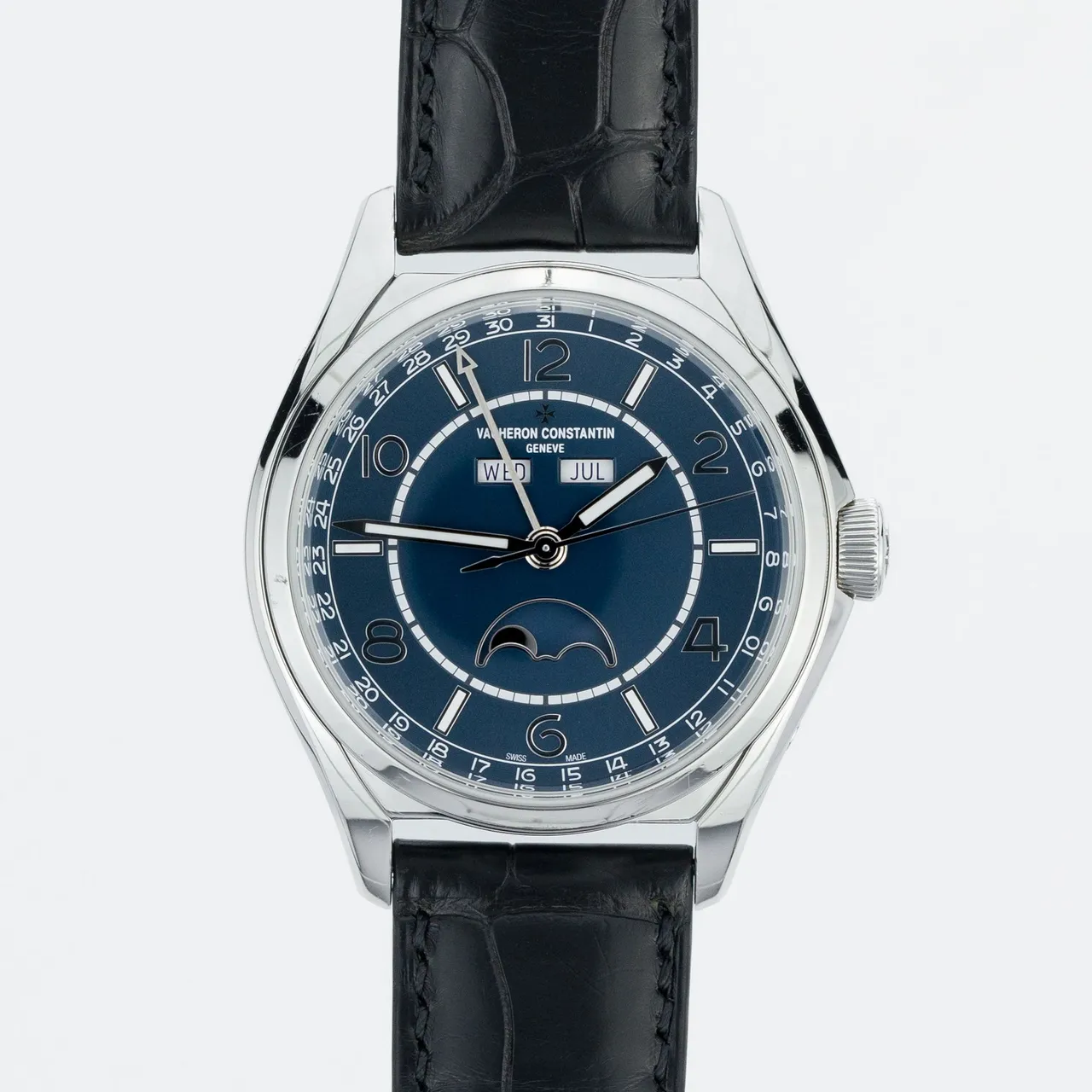
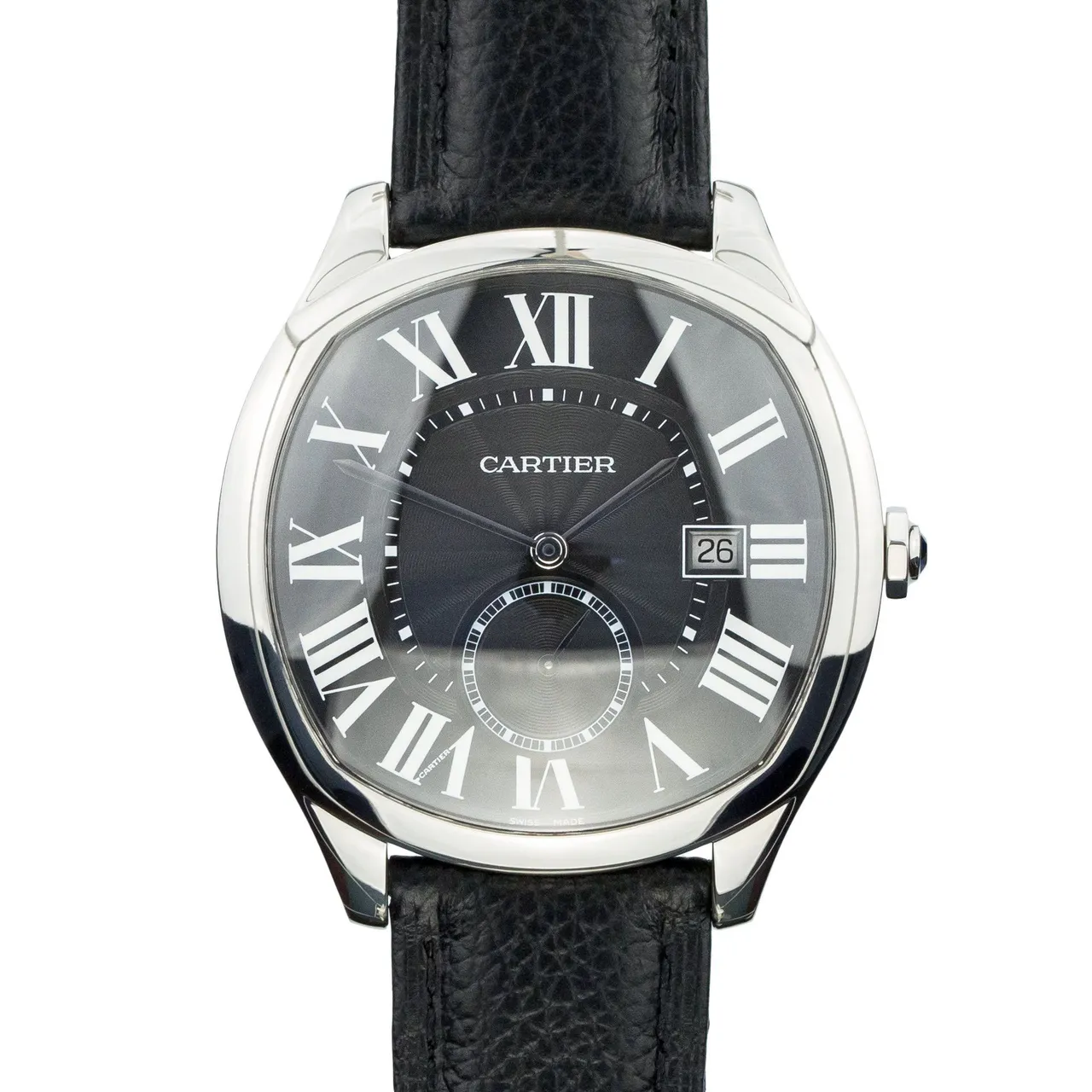
Dial colors tell a similar story. Green grew 9.5%, champagne 7.9%, gold 6.5%. Blue and black? Stagnated. The market got saturated with dark-dialed sports watches, and collectors responded by reaching for warmth. A champagne dial on a Cartier Drive de Cartier or a green sunburst on a Vacheron Overseas reads completely different from yet another black ceramic diver.
The brand winners tell the real story
Forget market averages. The brands gaining ground reveal where collector attention actually moved.
Vacheron Constantin grew 13.4% overall, with their Overseas collection surging 17.3%. The Overseas has always been called "the thinking man's Nautilus," and collectors are finally putting money where the cliché is. It wears dressier than a Royal Oak, the interchangeable strap system is genuinely useful, and you can actually find one without a five-year waitlist. We carry several Overseas references if you want to see what the fuss is about.
IWC jumped 14.4%, but the real number is the Ingenieur at +90.9%. That's not a typo. The Ingenieur, originally designed by Gérald Genta (the same hand behind the Royal Oak and Nautilus), sits right at the intersection of sport and dress. It won Revolution Awards' "Best Sport Watch" in 2025. Collectors figured out what Genta knew in 1976: the best sports watch is one you can wear to dinner.
Cartier gained 8.3%, riding the Santos and Tank wave. These are watches that never tried to be tough. They don't have dive ratings. They don't have chronograph pushers. They're jewelry for the wrist, and collectors are finally done apologizing for wanting that.
Tudor grew 8.7%, capturing new collectors entering the market under €5,000. The Black Bay Pro 39mm is a perfect example: smaller, more refined, less "look at me" than its 41mm predecessor.
And Rolex? Down 3.3%. Not because Rolex makes bad watches. Because the speculative premium that inflated Rolex prices was built on hype, not horological interest. The flippers left. What remains is closer to actual demand.
The flippers are gone, the collectors are back
This is the real headline buried in the Chrono24 data. The "tourist investors" who treated watches like sneaker drops between 2020 and 2023 have moved on. Crypto cooled, the quick-flip margins evaporated, and suddenly the watch market is left with people who actually care about watches.
That's healthy. When speculators dominate a market, everything gets distorted. Prices reflect FOMO instead of quality. Popular references get hoarded while genuinely interesting watches sit ignored. Now that the speculation has cleared, the market is rewarding craftsmanship, heritage, and taste over scarcity and hype.
What this means if you're buying
A few practical takeaways.
First, pre-owned dress watches are undervalued right now. The market spent five years pricing sports watches to the moon while dress pieces stayed flat. That gap is closing, but it hasn't closed yet. A Vacheron Fiftysix Complete Calendar or a Cartier Drive represents serious watchmaking at prices that would get you a hyped-up Submariner date with no waitlist drama.
Second, rectangular watches are due for a revaluation. The Longines Evidenza is one of the best entry points into that category, and it costs less than most people spend on a weekend away.
Third, if you're buying from Europe, the recent tariff developments make the pricing advantage even more compelling. European pre-owned dealers aren't carrying the same tariff-inflated costs that American buyers face.
The market is telling us something clear. After years of hype-driven collecting, people want watches that are actually beautiful. Smaller, thinner, more refined, with complications that serve aesthetics over function. The pendulum always swings. Right now, it's swinging toward elegance.
And honestly? It's about time.