Crypto and luxury watches: the correlation that was, and wasn't
Between 2020 and 2022, Bitcoin and watch prices moved together. Then they stopped. Here's the full story of correlation, decoupling, and what it means for collectors holding both assets.
Between 2020 and 2022, Bitcoin prices and luxury watch prices moved in lockstep. Then they stopped. The story of how and why these two markets connected, then separated, is more interesting than most crypto-watch articles make it sound.
2020-2021: when everything went up together
During the pandemic, governments flooded economies with stimulus money. A lot of that cash ended up in speculative assets. Bitcoin surged. So did luxury watch prices.
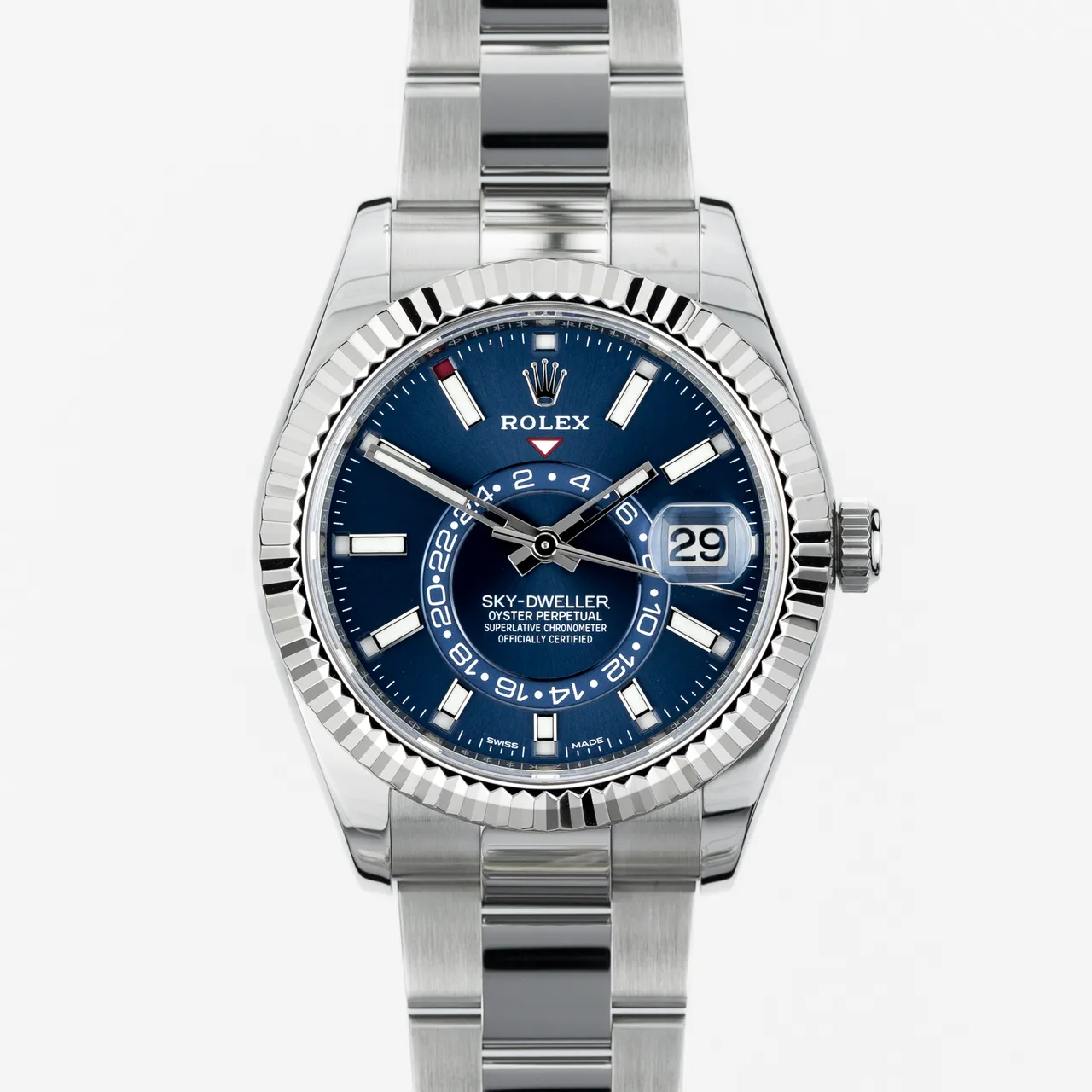
Bitcoin gained mainstream attention as a potential inflation hedge and "digital gold." Meanwhile, platforms like WatchCharts reported steep price increases for Rolex, Patek Philippe, and other brands. Some of the demand came directly from crypto profits. People who made money on Bitcoin and Ethereum wanted tangible assets, and a Rolex Daytona felt more real than another line on a digital wallet. (source)
At this point, the correlation looked real. When Bitcoin went up, luxury watches followed. Some commentators started calling watches "physical Bitcoin," both scarce and both functioning as status symbols.
2022: the correlation broke
Then interest rates rose. Crypto pulled back hard. And the watch market followed, but not for the same reasons.
Bitcoin and other cryptocurrencies entered a brutal correction. Crypto holders who needed liquidity started selling assets, including their watches. Platforms saw a flood of supply, particularly for models like the Rolex Daytona and Patek Philippe Nautilus that had been most inflated during the boom. (Bloomberg analysis) (source)
The key thing: crypto volatility was too wild for luxury watches to track. Watches are physical goods with production constraints, brand heritage, and collector bases that predate Bitcoin by centuries. Once the easy-money era ended, the two markets started responding to different forces.
2023-2024: separate paths
Bitcoin recovered somewhat, especially around the anticipation and approval of Bitcoin ETFs. But the luxury watch market didn't follow this time. (CoinDesk)
Watch prices stabilised based on their own fundamentals: collector demand, brand heritage, limited production, and the general state of the economy. The crypto-fuelled speculation cooled. People buying watches in 2023-2024 were more likely to be traditional collectors than crypto millionaires looking for somewhere to park profits.
Meanwhile, crypto became more institutional. Large financial firms entered the space with a longer-term investment mindset. Less "let me buy a Nautilus with my Ethereum gains" and more portfolio allocation. (source)
Why the two markets decoupled
Three things drove the separation:
Different risk profiles. Crypto is extremely volatile and driven by regulatory news, technology developments, and social sentiment. Watches are tangible, scarcity-driven, and appeal to buyers who often have no interest in cryptocurrency at all.
Different buyer bases. As crypto attracted institutional money, the individual "crypto millionaire" buyer became less dominant. Watch collectors, meanwhile, tend to be long-term enthusiasts whose buying decisions don't hinge on Bitcoin's price that week.
Market maturity on both sides. Bitcoin faced heavier regulation and scrutiny. The watch market settled back to fundamentals: craftsmanship, heritage, and a global collector network that has operated independently of digital assets for generations.
Could the correlation come back?
Maybe. If another massive crypto bull run creates a new wave of sudden wealth, some of that money will flow into luxury goods, including watches. It's happened before and it'll probably happen again.
But the days of tight correlation between Bitcoin and watch prices are likely over. Both markets have matured. Watch prices are more influenced by brand decisions (production numbers, new releases, discontinuations) than by what's happening in crypto. And crypto prices respond to regulatory developments and institutional flows more than consumer spending patterns.
You'll see occasional overlap when conditions align, but treating watches as a crypto proxy (or vice versa) doesn't hold up.
Practical takeaways
If you hold crypto: watches aren't a hedge against crypto volatility. They have their own risk profile. Buy a watch because you want a watch, not because you think it moves with Bitcoin.
If you collect watches: crypto market swings can temporarily affect supply and demand in the secondary market. A crypto crash can flood the market with watches as holders liquidate. A bull run can tighten supply. But these are short-term effects, not structural.
If you're in both: pay attention to macro trends. Interest rates, monetary policy, and economic confidence affect both markets, just through different mechanisms.
We accept crypto, too
If you're interested in buying a watch with cryptocurrency, we can accommodate that. Get in touch and we'll work out the details. It's a fitting way to bridge these two worlds, even if their price charts have gone their separate ways.